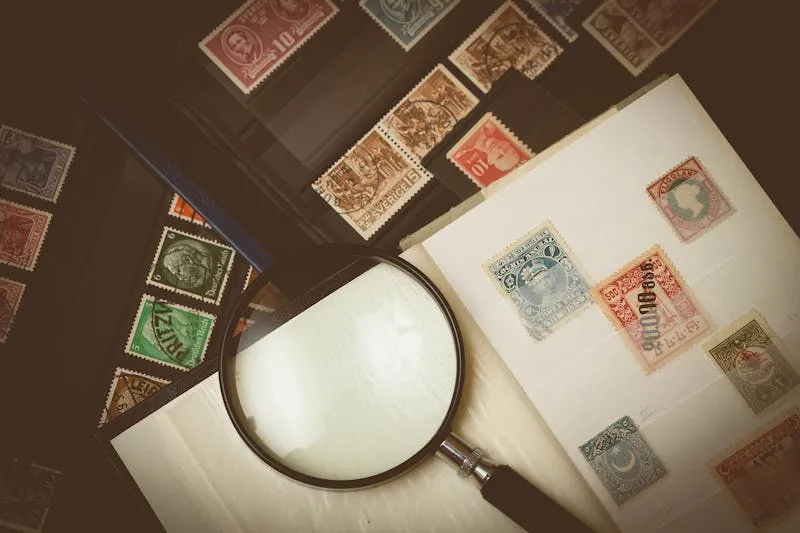
There’s something satisfying about stamping a date into your journal. It’s faster than writing, more consistent than handwriting, and adds a vintage, postal aesthetic that many journalers love. Japanese date stamps — from simple rotating stamps to brass designs that age beautifully — transform the daily ritual of dating your entry into a small moment of pleasure.
We use date stamps in our Hobonichi planners, Traveler’s Notebooks, and bullet journals. Here are the best options available.
Best Overall: Midori Rotating Date Stamp
Price: ~$15 | Material: Metal + rubber | Format: Month/Day/Year (adjustable)
The Midori rotating date stamp is a beautifully designed tool that rotates to set the correct month, day, and year. The compact metal body is satisfying to hold and the stamp impression is clean and precise. Each wheel clicks into position, providing tactile feedback that confirms your date setting.
The stamp produces a clean, business-card-sized impression that fits neatly in journal margins and planner headers. The format is adjustable — you can set it to display month-day-year or day-month-year depending on your preference.
Pros:
- Beautiful metal construction
- Clean, precise impressions
- Adjustable date format
- Compact size for pencil case carry
- Satisfying click mechanism
Cons:
- Requires a separate ink pad
- Year range is limited (may need replacement in distant future)
- Some learning curve for wheel adjustment
- Premium price for a date stamp
Best Self-Inking: Shachihata Date Stamp
Price: ~$12 | Material: Plastic | Format: Year/Month/Day
Shachihata is Japan’s leading stamp manufacturer, and their self-inking date stamp is the most practical option for daily use. No separate ink pad needed — the built-in ink reservoir produces approximately 3,000 impressions before needing a refill.
The adjustment bands are smooth and easy to set. The impression is clear and consistent, with a slightly smaller footprint than the Midori stamp. For pure functionality — stamp and go, no fuss — the Shachihata is unbeatable.
Pros:
- Self-inking — no separate pad needed
- 3,000+ impressions per ink cartridge
- Quick, one-hand operation
- Replaceable ink cartridges
- Affordable
Cons:
- Plastic construction feels less premium than metal alternatives
- Only black or blue ink (no color options)
- Less aesthetic than Midori
- Utilitarian appearance
Best Brass: Midori Brass Date Stamp Blocks
Price: ~$25 | Material: Solid brass | Format: Individual number and month blocks
These solid brass blocks spell out dates by arranging individual number and month pieces. Each block is hand-set on a small tray, inked, and stamped. The process is slower than a rotating stamp — intentionally. This is a ritual, not a shortcut.
The brass blocks develop patina over time, matching the Midori Brass product line’s aging philosophy. The impressions have a handmade, letterpress quality that’s distinctly different from rubber stamps. For journalers who value the process as much as the result, these blocks are a small luxury.
Pros:
- Solid brass construction with developing patina
- Beautiful letterpress-style impressions
- Each stamp becomes unique over time
- Compact and displayable when not in use
- Matches Midori Brass pen and ruler
Cons:
- Slow — requires setting individual blocks for each date
- Expensive for a date stamp
- Requires separate ink pad
- Blocks can be lost individually
- Not for daily rapid use
Best Budget: Sanby Date Stamp
Price: ~$8 | Material: Plastic + rubber | Format: Year/Month/Day
Sanby produces reliable, affordable stamps for the Japanese domestic market. Their date stamp offers clean impressions, easy adjustment, and a compact body at a budget-friendly price. It lacks the aesthetic charm of Midori’s offerings but delivers consistent, functional performance.
For people who want a date stamp without investing $15-25, the Sanby is the practical choice.
Pros:
- Affordable at ~$8
- Clean impressions
- Easy adjustment
- Compact
- Reliable Japanese manufacturing
Cons:
- Basic plastic design
- Requires separate ink pad
- Limited aesthetic appeal
- Fewer size/format options
Best Mini: Midori Paintable Stamp (Date Format)
Price: ~$6 | Material: Rubber + wood handle | Format: Fixed frame design
The Midori Paintable Stamp series includes a date frame design — a decorative border with space to write the date by hand inside the stamped frame. This is a hybrid approach: stamp the frame, then hand-write the date inside it.
The result is a journal entry header that combines stamped consistency with handwritten personality. Available in multiple frame designs (simple line, decorative border, banner shape).
Pros:
- Combines stamp aesthetics with handwriting
- Affordable
- Beautiful decorative frames
- Small footprint
- Pairs well with hand-lettering
Cons:
- Still requires hand-writing the date
- Fixed frame design (not adjustable)
- Small size may be hard to write inside
- Requires separate ink pad
Bonus: Hanko-Style Monthly Calendar Stamps
A slightly different category worth mentioning: rubber stamp sets designed to build out a monthly calendar grid by hand. These are popular in Japan’s techo (planner) culture — you stamp a calendar layout into a blank notebook page, then fill in the dates and events by hand. Brands like Hightide and Kodomo No Kao make clean, minimal calendar grid stamps that pair beautifully with Hobonichi Techo or any Traveler’s Notebook refill with blank or dot-grid pages.
These sets typically include stamps for the calendar grid, weekday labels, and month headers. Used together with a rotating date stamp, you can build a fully custom, hand-stamped monthly spread in under five minutes. For journalers who want full layout control beyond what pre-printed planners offer, this combination is exceptionally satisfying. See our rubber stamps guide for more on building a functional stamp collection alongside your date stamp.
Ink Pad Recommendations
Most date stamps (except self-inking Shachihata) require a separate ink pad. Here are our recommendations:
Tsukineko VersaFine Clair
Price: ~$8 | Colors: 20+ options
Oil-based pigment ink that dries quickly on most papers and produces crisp, detailed impressions. The fine-grained pad is ideal for small date stamps where detail matters. Available in muted, vintage-inspired colors that complement journal aesthetics.
Shachihata Artline Ink Pad
Price: ~$5 | Colors: Black, blue, red
A reliable basic ink pad from Japan’s leading stamp maker. Quick-drying, good coverage, and affordable. The refillable reservoir extends the pad’s life significantly.
Choosing Ink Color
- Black — Classic, versatile, works on all paper colors
- Navy/Dark Blue — Subtle alternative to black, adds visual warmth
- Brown/Sepia — Vintage aesthetic that pairs beautifully with kraft paper and Traveler’s Notebooks
- Red — Bold accent, good for highlighting important dates
Creative Uses Beyond Date Logging
Most journalers use date stamps purely functionally — to mark the date at the top of an entry. But there are several other ways to put these tools to work:
- Habit tracker headers — Stamp the date next to each row of a habit grid for a clean, consistent layout
- Recipe and reading logs — A stamped date on a recipe card or book log entry adds a charming documentary quality
- Correspondence — Stamp the date on handwritten letters before sealing them; it’s a small touch recipients notice and appreciate
- Memory keeping — Stamp a date directly onto a photograph backing or scrapbook page instead of handwriting it, ensuring consistent legibility across years of entries
- Package and shipping labels — Practical use for the Shachihata: stamp dispatch dates on packages and envelopes without reaching for a pen
For scrapbook and decorative stamping ideas that go well beyond dates, our planner decoration ideas article covers stamp techniques alongside stickers and washi tape.
How to Get Clean Stamp Impressions
- Press the stamp firmly into the ink pad — ensure even ink coverage across the entire stamp surface
- Position the stamp on the paper — use a light touch to place it precisely where you want the impression
- Press straight down with firm, even pressure — don’t rock the stamp side to side
- Lift straight up — pulling at an angle causes smearing
- Wait 3-5 seconds before touching the impression — even quick-dry inks benefit from a brief set time
Paper Considerations
- Tomoe River paper (Hobonichi planners): Stamp ink sits on the surface longer. Wait 10+ seconds before closing the page.
- Kokuyo Campus paper: Absorbs ink quickly. Ready to touch in 3-5 seconds.
- Kraft paper (Traveler’s Notebook refills): Absorbs ink immediately but impressions may appear slightly fuzzy due to paper texture.
Frequently Asked Questions
Are date stamps worth it for journaling?
If you journal daily and date every entry, a date stamp saves time and adds consistency. If you journal occasionally, handwriting the date is simpler. The stamps also add a vintage, tactile quality that many journalers find motivating.
How long do stamp ink pads last?
A standard ink pad lasts 500-2,000 impressions depending on the stamp size and ink saturation. Self-inking stamps (Shachihata) last 3,000+ impressions. Refillable pads extend the life indefinitely.
Can I use date stamps on Hobonichi Tomoe River paper?
Yes, but use quick-dry ink (VersaFine Clair is ideal) and allow extra drying time (10-15 seconds) before closing the page. The thin Tomoe River paper can show stamp impressions through to the other side — use light ink coverage to minimize this.
Should I get a self-inking or standard date stamp?
Self-inking (Shachihata) for daily, high-volume use — convenience is king. Standard stamp + ink pad for occasional use or when you want color options and aesthetic choices.
Do date stamps work for scrapbooking too?
Absolutely. Date stamps add documentation to scrapbook pages, photo albums, and memory journals. The brass blocks from Midori are especially popular in scrapbooking for their letterpress aesthetic. Pair with rubber stamps for complete scrapbook stamping.
Which ink color should I start with?
Black is the safest starting point — it reads clearly on any paper color and photographs well if you ever scan your journals. Once you’re comfortable with your stamp technique, branching into sepia or navy is a natural next step that adds warmth without sacrificing legibility. If you journal on kraft-colored or off-white paper (common in Traveler’s Notebooks), dark brown or pine-green inks look especially rich against the warm background.