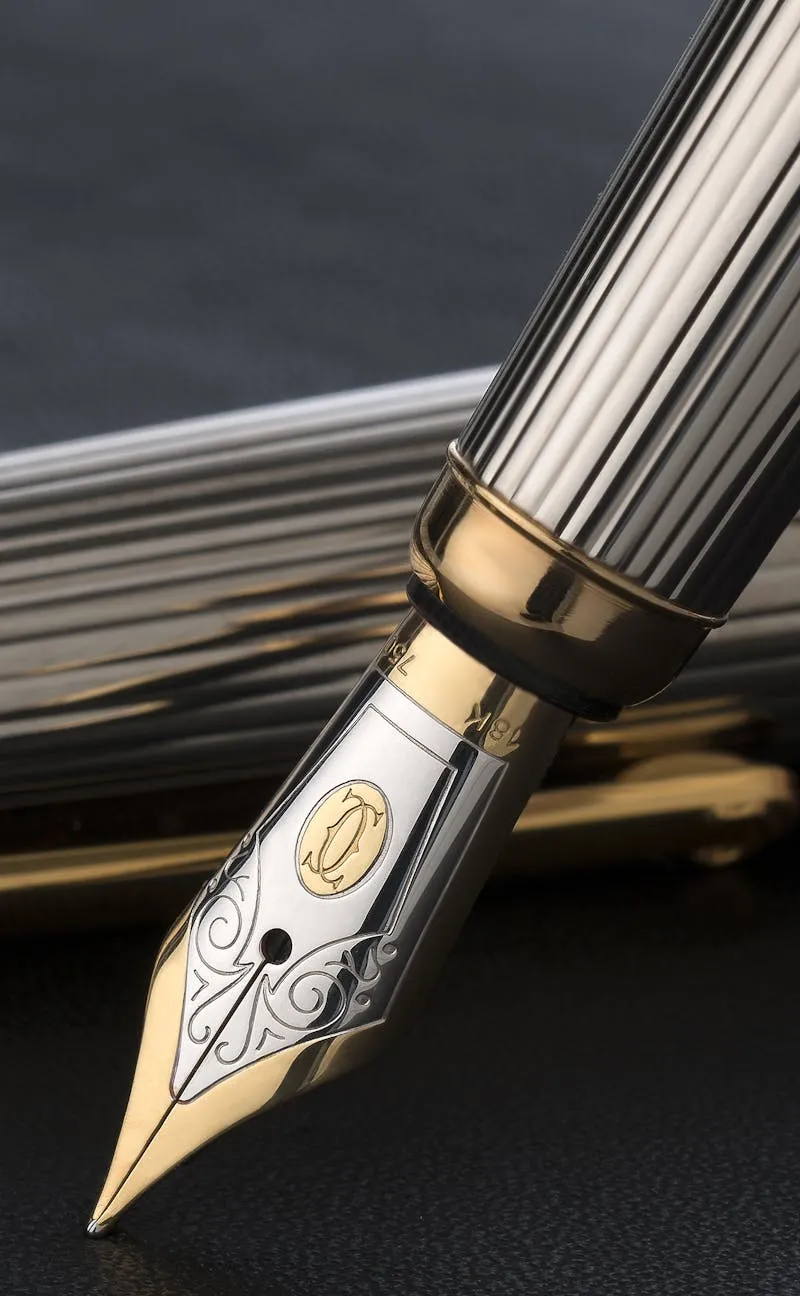
Japanese fountain pen ink is in a league of its own. Where most Western ink brands focus on a handful of standard office colors, Japanese manufacturers have turned ink-making into something closer to art — drawing inspiration from seasons, landscapes, and centuries of cultural tradition. The result is an extraordinary spectrum of colors with names like tsuki-yo (moonlit night), yama-budo (wild grapes), and shigure (autumn rain).
We’ve spent the better part of two years testing over forty Japanese fountain pen inks across every major brand. We loaded them into piston fillers, converters, and cartridge pens. We tested them on Tomoe River paper, Midori MD, Kokuyo Campus, and cheap copy paper. We examined flow, dry time, shading, sheen, water resistance, and long-term behavior in the pen. This guide represents our honest, hands-on findings.
Whether you’re a seasoned fountain pen user looking for your next signature ink or a newcomer exploring the hobby, this list will point you to the very best Japanese fountain pen inks you can buy today. We’ve organized our picks by brand and included a comparison table to help you decide.
Pilot Iroshizuku Kon-peki Fountain Pen Ink
Our top-rated Japanese ink for two years running. Kon-peki's vivid cerulean blue with exceptional shading and silky-smooth flow makes it the most universally loved fountain pen ink in the world.
Check Price on Amazon → Free US shipping on eligible orders *Price approximate at time of writing. Check retailer for current price.Our Top Picks:
- Best Overall: Pilot Iroshizuku Kon-peki (Deep Cerulean Blue)
- Best Black: Pilot Iroshizuku Take-sumi
- Best Blue-Black: Sailor Shikiori Yonaga
- Best Shading Ink: Pilot Iroshizuku Ku-jaku
- Best Red/Pink: Pilot Iroshizuku Yama-budo
- Best Green: Sailor Manyo Haha
- Best Waterproof Ink: Platinum Classic Iron Gall Cassis Black
- Best Budget Pick: Pilot Blue-Black
1. Pilot Iroshizuku Kon-peki — Best Overall
Approx. ~$22 (50ml) | Color Family: Blue | Rating: 4.9/5
If you only ever buy one bottle of Japanese fountain pen ink, make it Kon-peki. The name means “deep cerulean blue,” and it’s arguably the most universally loved fountain pen ink in the world — not just in Japan, but across the entire global pen community.
We’ve gone through five bottles of Kon-peki and it’s the ink loaded in our daily writer right now. The color is a vivid, medium blue with beautiful shading — thin strokes appear lighter and almost turquoise, while broader, wetter lines deepen to a rich sapphire. On high-quality paper like Tomoe River, you’ll see subtle red sheen at the edges of saturated pools, which adds a gorgeous dimension to your writing.
The flow characteristics are impeccable. Kon-peki is well-lubricated without being wet to the point of feathering on cheaper papers. It works beautifully in both fine Japanese nibs and broader Western nibs. Dry time is moderate at 15-25 seconds on quality paper, which is typical for a well-saturated ink.
The 50ml bottle itself is a design icon — a heavy glass base with a small reservoir at the bottom that helps you fill your pen even when the ink level is low. Pilot clearly thought about the user experience from start to finish.
Key Properties
- Beautiful shading from turquoise to deep sapphire
- Subtle red sheen on quality paper
- Well-behaved flow — not too wet, not too dry
- Moderate dry time (15-25 seconds)
- Low water resistance (washes away easily)
- Elegant 50ml glass bottle with ink reservoir
Pros & Cons
Pros: Stunning shading and color, excellent flow in virtually any pen, iconic bottle design, widely available Cons: No water resistance, moderate dry time, premium price at $22 per bottle
2. Pilot Iroshizuku Take-sumi — Best Black
Approx. ~$22 (50ml) | Color Family: Black | Rating: 4.8/5
Finding a truly great black fountain pen ink is harder than you might think. Many blacks are too grey, too dry, too wet, or too slow to dry. Pilot’s Take-sumi (charcoal) solves all of these problems. It’s a deep, neutral black with just the faintest hint of warmth — not blue-black, not grey-black, but a proper, rich black that looks professional and authoritative on the page.
We’ve used Take-sumi as our primary black ink for over a year, and it’s the one we reach for whenever we need to write something that looks sharp and serious. The ink flows smoothly, starts instantly after capping, and lays down consistent lines with no skipping. On Tomoe River paper, you’ll see subtle shading where thin strokes appear slightly lighter — a beautiful effect that flat, lifeless blacks from other brands simply don’t offer.
Take-sumi also dries faster than many Iroshizuku colors — around 10-20 seconds on most papers. It’s not waterproof, but it doesn’t feather or bleed on reasonable quality paper, which makes it practical for daily use in notebooks and planners.
Key Properties
- Deep, neutral black with subtle warm undertone
- Mild shading in broader nibs
- Good flow and reliable starts
- Faster dry time than most Iroshizuku inks (10-20 seconds)
- No water resistance
- Same elegant 50ml Iroshizuku bottle
Pros & Cons
Pros: Rich, true black without being blue or grey, excellent flow, faster dry time, consistent performance Cons: Not waterproof, still a premium price point
3. Sailor Shikiori Yonaga — Best Blue-Black
Approx. ~$20 (20ml) | Color Family: Blue-Black | Rating: 4.7/5
Sailor’s Shikiori (four seasons) line is named after moments and moods from the Japanese calendar, and Yonaga — meaning “long autumn night” — captures its namesake perfectly. This is a deep, moody blue-black with a teal undertone that sets it apart from the more conservative blue-blacks offered by Western brands.
We love Yonaga for professional writing where standard blue-black feels too boring. It reads as a proper dark blue-black at a glance — perfectly appropriate for signing documents or writing formal correspondence — but up close, the teal depth gives it character and visual interest. On quality paper, the shading is exceptional: thin hairlines appear a dusky teal-grey while saturated downstrokes deepen to near-black.
The Sailor ink formula tends to be on the drier side compared to Pilot Iroshizuku, which means it works especially well in wetter-writing pens and broader nibs. In fine, dry Japanese nibs, you may want to pair it with a wetter pen to get the best flow. Dry time is reasonable at around 15-20 seconds.
One thing to note: the Shikiori line comes in 20ml bottles, not 50ml, so the per-milliliter cost is higher than Iroshizuku. The small, flat bottles are attractive but not as practical for filling as the Iroshizuku design.
Key Properties
- Deep blue-black with distinctive teal undertone
- Exceptional shading
- Slightly drier flow (pairs well with wetter pens)
- Moderate dry time (15-20 seconds)
- Low water resistance
- 20ml bottle
Pros & Cons
Pros: Unique, sophisticated blue-black tone, beautiful shading, professional enough for formal use, lovely bottle design Cons: Smaller 20ml bottle (higher cost per ml), drier flow may not suit all pens
4. Pilot Iroshizuku Ku-jaku — Best Shading Ink
Approx. ~$22 (50ml) | Color Family: Teal/Blue-Green | Rating: 4.8/5
If you’re drawn to fountain pen ink for its shading properties — that mesmerizing variation from light to dark within a single stroke — Ku-jaku is the ink to buy. Its name means “peacock,” and the color shifts beautifully from a light, almost minty teal in thin lines to a deep, saturated blue-green in heavy strokes. The range of shading is extraordinary and makes every page of writing look like a work of art.
We first tried Ku-jaku on a whim after hearing so much praise in the fountain pen community, and it immediately became one of our top three inks. The color is genuinely unique — not quite blue, not quite green, but a warm, vibrant teal that’s instantly recognizable. It’s cheerful without being unprofessional, making it suitable for personal journaling, letter writing, and even casual business correspondence.
Flow is classic Iroshizuku: smooth, well-lubricated, and consistent. It performs well across nib sizes, but we particularly enjoy it in medium or broad nibs where the shading has room to express itself. On Tomoe River paper, you’ll also catch flashes of pink-red sheen, adding yet another dimension to an already dynamic ink.
Key Properties
- Vivid teal with exceptional light-to-dark shading
- Pink-red sheen on quality paper
- Smooth, well-lubricated flow
- Moderate dry time (15-25 seconds)
- Best in medium or broad nibs for maximum shading
- 50ml Iroshizuku bottle
Pros & Cons
Pros: Best-in-class shading, unique teal color, beautiful sheen, excellent flow Cons: May be too “fun” for formal use, requires quality paper to see sheen, not water resistant
5. Pilot Iroshizuku Yama-budo — Best Red/Pink
Approx. ~$22 (50ml) | Color Family: Magenta/Burgundy | Rating: 4.7/5
Yama-budo translates to “wild grapes,” and the color is exactly what that name suggests — a rich, deep magenta-burgundy that calls to mind ripe berries in late summer. It’s our favorite non-blue ink in the entire Iroshizuku line, and it’s become our go-to choice for marking up drafts, adding emphasis, and journaling when we want something warmer than blue.
What makes Yama-budo special is its versatility. Unlike bright reds or hot pinks that scream “correction pen,” Yama-budo has enough depth and complexity to work as a primary writing color. It reads as a dignified burgundy at a glance but reveals flashes of vivid magenta in lighter strokes. The shading is gorgeous — from soft raspberry in hairlines to deep wine in broad strokes.
The flow matches the rest of the Iroshizuku line: reliable, smooth, and well-behaved. We’ve used it in everything from a Pilot Custom 74 fine nib to a broad stub, and it performs beautifully across the board. Dry time is in the typical Iroshizuku range of 15-25 seconds.
Key Properties
- Deep magenta-burgundy with warm, berry-like tones
- Beautiful shading from raspberry to wine
- Smooth, reliable Iroshizuku flow
- Moderate dry time (15-25 seconds)
- No water resistance
- 50ml Iroshizuku bottle
Pros & Cons
Pros: Unique, sophisticated color that works as a primary ink, excellent shading, versatile across nib sizes Cons: Not water resistant, may be too unconventional for strict business settings
6. Sailor Manyo Haha — Best Green
Approx. ~$25 (50ml) | Color Family: Green | Rating: 4.6/5
Sailor’s Manyo (ten thousand leaves) line draws its names from the Man’yoshu, the oldest surviving collection of Japanese poetry. Haha — named after the hahakogusa plant (cudweed) — is a soft, warm green with a yellow undertone that evokes mossy forests and new spring growth. It’s the most beautiful green fountain pen ink we’ve tested from any brand, Japanese or otherwise.
Finding a great green ink is surprisingly difficult. Most greens are either too dark (essentially black-green), too neon (highlighter territory), or too blue-green (really just teal). Haha strikes a perfect balance — it’s clearly, unmistakably green, with a warm, natural character that looks organic rather than artificial. The shading ranges from pale sage in light strokes to a rich, leafy green in saturated areas.
Sailor’s ink formula in the Manyo line is moderately wet, which is a welcome change from the drier Shikiori inks. Flow is smooth and consistent, and the ink behaves well even on mid-range papers. The 50ml bottle is a good value compared to the smaller Shikiori bottles, and the frosted glass design is attractive on a desk.
Key Properties
- Warm, natural green with yellow undertone
- Beautiful shading from sage to deep leaf green
- Moderately wet flow
- Moderate dry time (15-25 seconds)
- Low water resistance
- 50ml frosted glass bottle
Pros & Cons
Pros: Gorgeous, natural green tone, excellent shading, wetter flow than typical Sailor inks, good 50ml bottle size Cons: Yellow-green may not appeal to those who prefer cool-toned greens, limited availability in some regions
7. Platinum Classic Iron Gall Cassis Black — Best Waterproof Ink
Approx. ~$18 (60ml) | Color Family: Dark Burgundy-Black | Rating: 4.5/5
Everything we’ve recommended so far has one significant limitation: none of them are water resistant. If your notes or journals must survive an accidental spill, or if you need archival permanence, you need an iron gall ink — and Platinum’s Classic line is the best iron gall ink made in Japan.
Cassis Black starts as a dark, reddish-burgundy when freshly written, then gradually darkens over a few hours as the iron gall chemistry reacts with paper fibers. The final color is a deep, near-black burgundy that’s richly saturated and permanent. Even under running water, iron gall inks bond to the paper at a molecular level, making them functionally waterproof once dry.
Platinum has formulated these inks with modern corrosion inhibitors, so they’re safe for fountain pens — unlike vintage iron gall inks that could eat through metal parts. That said, we recommend basic pen hygiene: don’t leave the ink sitting in a pen unused for more than a few weeks, and flush the pen with clean water when switching inks.
The flow is moderate — not as silky as Iroshizuku, but smooth enough for comfortable writing. The 60ml bottle is the largest on this list and offers excellent value at $18. If you need an ink that lasts and won’t wash away, this is our pick.
Key Properties
- Iron gall formula bonds permanently to paper
- Color darkens from burgundy to near-black over hours
- Moderate, well-behaved flow
- Faster dry time than dye-based inks (10-15 seconds)
- Functionally waterproof once dry
- 60ml bottle — best value per ml on this list
Pros & Cons
Pros: Water resistant and archival, beautiful color evolution, safe modern formula, excellent 60ml value Cons: Requires slightly more pen maintenance, color changes over time (may surprise new users), not as smooth-flowing as dye-based inks
8. Pilot Blue-Black — Best Budget Pick
Approx. ~$7 (70ml) | Color Family: Blue-Black | Rating: 4.3/5
Not everyone wants to spend $20+ on a bottle of ink, and that’s perfectly reasonable. Pilot’s standard Blue-Black is our favorite budget Japanese fountain pen ink because it punches well above its price. At $7 for a 70ml bottle, it costs roughly one-fifth per milliliter what Iroshizuku does — and it’s a genuinely good ink.
The color is a classic, no-nonsense blue-black that’s suitable for any situation. It’s a touch more blue than most European blue-blacks, which gives it a slightly livelier character without looking unprofessional. Shading is minimal but present, and the ink is pleasantly smooth in most pens.
Pilot Blue-Black also has a mild iron gall component, which gives it partial water resistance. It won’t survive a full submersion, but a few drops of water won’t obliterate your notes — a practical advantage over the fully dye-based Iroshizuku inks. This makes it an excellent everyday workhorse for students, professionals, and anyone who uses fountain pens as their primary writing tool.
If you’re new to fountain pens and Japanese ink, start here. It’s affordable enough that you won’t feel guilty using it for everything, and the quality is high enough that you’ll understand what makes Japanese ink special. Once you’re hooked, you can explore the more exotic options above.
Key Properties
- Classic blue-black with slight blue lean
- Mild iron gall component provides partial water resistance
- Smooth, reliable flow
- Fast dry time (10-15 seconds)
- 70ml bottle — exceptional value
- Available in cartridges for Pilot pens
Pros & Cons
Pros: Outstanding value, partial water resistance, practical for daily use, available in cartridges, large bottle Cons: Minimal shading, less exciting color than premium options, basic bottle design
See Pilot Iroshizuku on Amazon
Comparison Table
| Ink | Brand | Price | Volume | Color | Shading | Water Resistance | Rating |
|---|---|---|---|---|---|---|---|
| Kon-peki | Pilot Iroshizuku | ~$22 | 50ml | Cerulean Blue | Excellent | None | 4.9/5 |
| Take-sumi | Pilot Iroshizuku | ~$22 | 50ml | Black | Mild | None | 4.8/5 |
| Yonaga | Sailor Shikiori | ~$20 | 20ml | Blue-Black (teal) | Excellent | None | 4.7/5 |
| Ku-jaku | Pilot Iroshizuku | ~$22 | 50ml | Teal/Blue-Green | Best in class | None | 4.8/5 |
| Yama-budo | Pilot Iroshizuku | ~$22 | 50ml | Magenta-Burgundy | Excellent | None | 4.7/5 |
| Haha | Sailor Manyo | ~$25 | 50ml | Warm Green | Excellent | None | 4.6/5 |
| Cassis Black | Platinum Classic | ~$18 | 60ml | Burgundy-Black | Mild | Excellent | 4.5/5 |
| Blue-Black | Pilot | ~$7 | 70ml | Blue-Black | Minimal | Partial | 4.3/5 |
How We Chose These Inks
We evaluated over forty Japanese fountain pen inks based on the following criteria:
- Color quality: Is the color vibrant, consistent, and true to its labeled shade?
- Shading: Does the ink show appealing variation from light to dark within strokes?
- Flow: Does it work smoothly and reliably across different pens and nibs?
- Dry time: How long before the ink is safe to touch without smearing?
- Paper compatibility: Does it behave on a range of paper qualities, or only on premium stock?
- Water resistance: Can it survive accidental water exposure?
- Value: Is the price fair for the volume and quality delivered?
We tested each ink in at least three different pens with different nib sizes and on at least four types of paper. Every ink on this list has been used in our daily rotation for at least two months.
Tips for Getting the Best Results
Pair your ink with good paper. The inks above will look stunning on quality paper like Tomoe River, Midori MD, or Kokuyo Campus. On cheap copy paper, even the best inks will feather and bleed.
Match ink wetness to your pen. Drier inks (Sailor Shikiori) pair well with wetter-writing pens. Wetter inks (Pilot Iroshizuku) pair well with drier or finer nibs. Getting this balance right makes a huge difference.
Flush your pen when switching inks. Run clean water through the pen until it runs clear before loading a new ink. This prevents muddy color mixing and keeps your pen in top condition.
Store bottles out of direct sunlight. UV light can fade some dye-based inks over time. Keep your bottles in a drawer or on a shaded shelf.
If you’re new to fountain pens, check out our guide to the best Japanese fountain pens under $50 for great pen recommendations to pair with these inks.
Frequently Asked Questions
Is Pilot Iroshizuku worth the price?
Yes. We understand $22 for a bottle of ink feels steep, but the quality is genuinely in a different league from budget inks. The colors are more vibrant, the shading is more complex, the flow is more consistent, and the bottle design is more practical. A 50ml bottle lasts months of daily writing. If you write with a fountain pen regularly, we think Iroshizuku is one of the best investments you can make in your writing experience.
Are Japanese fountain pen inks waterproof?
Most are not. The majority of Japanese fountain pen inks — including Pilot Iroshizuku, Sailor Shikiori, and Sailor Manyo — are dye-based and will wash away with water. The notable exceptions are iron gall inks like Platinum Classic (functionally waterproof) and Pilot Blue-Black (partially water resistant). If water resistance is a priority, look at the Platinum Classic line or consider a pigmented ink like Sailor Sei-boku.
Can I use Japanese ink in any fountain pen?
Yes. All the inks on this list are standard fountain pen inks and will work in any fountain pen with a converter, piston filler, or compatible cartridge system. They are safe for use in pens from any brand — Japanese, German, Italian, or otherwise. Just be sure to flush your pen with water when switching between inks.
How long does a 50ml bottle of ink last?
It depends on how much you write and what nib size you use, but for most people, a 50ml bottle lasts 3-6 months of daily writing. Broader nibs use ink faster than fine nibs. If you write multiple pages per day with a broad nib, you might go through a bottle in 2-3 months. With a fine nib and moderate use, a bottle can easily last six months or more.
What’s the difference between Sailor Shikiori and Sailor Manyo?
Both are color ink lines from Sailor, but they differ in bottle size, formula, and character. Shikiori inks come in 20ml bottles, tend to be drier, and draw their names from seasons and weather. Manyo inks come in 50ml bottles, tend to be wetter, and are named after plants from the Man’yoshu poetry anthology. In our experience, Manyo inks are slightly easier to use in a wider range of pens thanks to their wetter flow.
What paper should I use with Japanese fountain pen inks?
For the best experience, use paper designed for fountain pens. Our top recommendations are Tomoe River (ultra-thin, shows sheen beautifully), Midori MD (cream-colored, excellent shading), and Kokuyo Campus (affordable, great everyday paper). Rhodia and Clairefontaine are also excellent non-Japanese options. Avoid standard copy paper and cheap notebooks — most fountain pen inks will feather and bleed through them.
Check Pilot Iroshizuku Price on Amazon
Where can I buy Japanese fountain pen inks in the US?
All the inks on this list are available on Amazon, which is the easiest option for most US buyers. Specialty retailers like JetPens, Goulet Pens, and Anderson Pens also carry extensive selections of Japanese inks, often with ink samples available so you can try before committing to a full bottle. We recommend starting with a few samples if you’re unsure about a color. For international readers, the Amazon links on our site automatically redirect to your local Amazon store — including Amazon.co.uk, Amazon.ca, and Amazon.com.au — so you can order with local shipping and pricing.