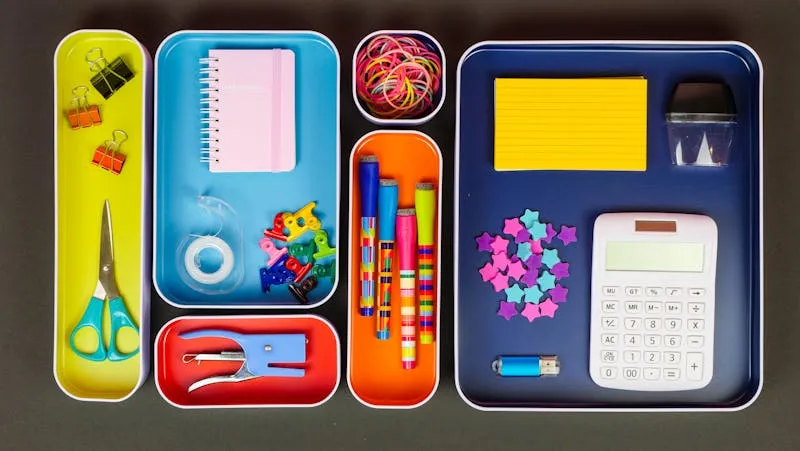
Japanese stationery represents the pinnacle of writing instrument design. From the silky-smooth gel pens to the fountain-pen-friendly notebooks, Japan produces some of the world’s finest writing tools. This comprehensive guide covers everything you need to know — whether you’re a curious beginner or a seasoned stationery enthusiast.
Living in Japan, we visit bunbougu-ya (文房具屋 — stationery shops) the way others visit coffee shops. Stores like Itoya in Ginza, Loft, Tokyu Hands, and even the humble Daiso 100-yen shops offer a density of quality writing instruments that simply does not exist elsewhere. We have tested hundreds of products over the years. This guide distills what we have learned.
Why Japanese Stationery?
Japan’s stationery industry is driven by an obsessive attention to detail. Companies like Pilot, Uni (Mitsubishi Pencil), Zebra, Pentel, and Tombow have been refining their products for decades. The result? Writing instruments that are smoother, more precise, and more thoughtfully designed than anything else on the market.
Key advantages of Japanese stationery:
- Superior ink technology — faster drying, smoother flow, more vibrant colors
- Precision engineering — tighter tip tolerances, consistent line widths
- Innovative design — ergonomic grips, retractable mechanisms, modular systems
- Paper quality — notebooks designed to work perfectly with fountain pen ink
The Japanese stationery market generates over $5 billion annually domestically. Competition is fierce — which is exactly why the products are so good. When five major pen manufacturers compete for the same customer in every convenience store, quality has to win.
The Big Five: Japanese Stationery Brands to Know
Pilot (est. 1918) — Japan’s largest pen manufacturer. Known for the Juice Up, G2, FriXion, and the prestigious Vanishing Point fountain pen. Their Iroshizuku fountain pen ink line is widely considered the finest in the world.
Uni (Mitsubishi Pencil) (est. 1887) — Makers of the Jetstream ballpoint, Signo gel pens, and the Hi-Uni pencil. The Jetstream’s low-viscosity hybrid ink technology changed what people expect from a ballpoint pen.
Zebra (est. 1897) — Best known for the Sarasa Clip gel pen, the Mildliner pastel highlighter, and the DelGuard mechanical pencil. Zebra excels at combining color variety with reliable performance.
Pentel (est. 1946) — Inventors of the felt-tip pen and the non-sharpening mechanical pencil. The EnerGel ink system and the Graph 1000 drafting pencil remain industry standards.
Tombow (est. 1913) — Makers of the Mono eraser (the best eraser ever made), the Dual Brush Pen, and the Fudenosuke calligraphy pen. Their Mono graph mechanical pencil is a student favorite.
Pens: The Heart of Japanese Stationery
Gel Pens
Japan dominates the gel pen market. Our favorites include the Pilot Juice Up, Zebra Sarasa Clip, and Pentel EnerGel. For a detailed comparison, see our Best Japanese Gel Pens guide. If you are deciding between two top contenders, our Uni-ball Signo vs. Pilot Juice Up head-to-head breaks down exactly which gel pen wins for different writing styles.
Ballpoint Pens
The Uni Jetstream revolutionized ballpoint pens with its low-viscosity hybrid ink. It’s our #1 recommendation for everyday writing. Also worth trying: the Pilot G2.
Fountain Pens
From budget-friendly options like the Platinum Preppy to premium picks like the Pilot Vanishing Point and Sailor Pro Gear, Japan offers fountain pens at every price point. Check our Best Fountain Pens Under $50 for entry-level recommendations, and explore Japanese Fountain Pen Inks for color inspiration — including the gorgeous Pilot Iroshizuku line.
Brush Pens & Calligraphy
For lettering and calligraphy, see our Best Brush Pens roundup and Japanese Calligraphy Pens guide. The Tombow Dual Brush Pen and Sakura Pigma Micron are standout picks. For those choosing between two beloved fine-tip brush pens, our Tombow Fudenosuke vs. Pentel Fude Touch comparison walks through nib flexibility, line variation, and which pen suits beginners versus experienced lettering artists.
Mechanical Pencils
Japanese mechanical pencils lead the world in precision. From drafting to everyday use, brands like Pentel, Uni, and Tombow set the standard. For traditional pencils, check our Best Japanese Pencils guide.
Notebooks & Paper
Top Notebooks
Japanese notebooks feature paper that’s smoother, more fountain-pen-friendly, and more resistant to bleed-through than Western alternatives. Our top picks: Kokuyo Campus, Midori MD, and the comparison guides Kokuyo vs Midori and Leuchtturm vs Kokuyo. For the full roundup, see Best Japanese Notebooks. If you want to go deeper on Kokuyo’s lineup — line widths, cover types, the B5 vs. A5 decision — our dedicated Kokuyo Campus Notebook Guide covers every variant in detail. Midori devotees will also want to explore our Midori Brass Products Review, which looks at the brand’s precision-machined rulers, pencil caps, and desk accessories that pair beautifully with Midori notebooks.
Paper Types
Understanding Japanese paper is key to choosing the right notebook. Our Japanese Paper Guide covers Tomoe River, MD Paper, Bank Paper, and more.
Erasers, Highlighters & Tools
Erasers
The Tombow Mono is legendary for good reason. Explore more options in Best Japanese Erasers and Best Erasable Pens. In the erasable pen category, Pilot’s FriXion family deserves special attention — our Pilot FriXion Colors Guide explains the full range of tip styles, color sets, and use cases, helping you choose between the Clicker, Colors, Fineliner, and Stamps variants.
Highlighters
The Zebra Mildliner sparked the pastel highlighter revolution. See how it compares in Mildliner vs Stabilo Pastel and our full Best Japanese Highlighters roundup. If you are torn between the Mildliner and an erasable option, our Zebra Mildliner vs. Pilot FriXion Light comparison lays out the differences in color vibrancy, erasability, and which choice makes more sense for students versus journalers.
Correction & Utility Tools
Japan produces the world’s best correction tape — compact, clean, and precise. See our Best Correction Tape guide. For pencil work, the Best Mechanical Pencil Leads guide covers everything from Nano Dia to Ain Stein.
Other essential tools include rulers and templates, pencil cases, and desk organizers. Sticky notes are another underrated desk staple — Japan’s options go far beyond the standard yellow square. Our Japanese Sticky Notes Comparison reviews the best options from Kokuyo, Plus, and 3M Japan, covering adhesive strength, paper quality, and which formats work best for different organizational systems.
Desk Setup & Organization
Create your ideal workspace with our Japanese Desk Setup guide and the budget-friendly Complete Desk Setup Under $50.
Washi Tape & Decorative Supplies
Washi (和紙) means Japanese paper, and washi tape is decorative adhesive tape made from traditional Japanese paper fibers. It tears cleanly by hand, repositions without residue, and comes in thousands of designs. Originally used for packaging and craft, washi tape has become a global phenomenon for journaling, scrapbooking, gift wrapping, and home decoration.
Start with Best Washi Tape Brands to find the perfect rolls. MT (Masking Tape), Kamoi Kakoshi’s flagship brand, is the gold standard — their William Morris and seasonal collaboration series are collector’s items. Other excellent brands include Bande (die-cut sticker tape), Round Top, and Mark’s.
Building Your First Collection
If you are starting from scratch, here is our recommended approach:
Phase 1 — The Essentials ($15 to $20). One gel pen (Pilot Juice Up or Zebra Sarasa Clip), one ballpoint pen (Uni Jetstream), and one notebook (Kokuyo Campus). This covers 90% of daily writing needs and introduces you to the Japanese stationery difference.
Phase 2 — Expanding ($30 to $50 total). Add a set of Zebra Mildliner highlighters, a Tombow Mono eraser, and a mechanical pencil (Pentel Graph 1000 or Uni Kuru Toga). You now have a complete desk setup.
Phase 3 — Enthusiast ($50 to $100 total). Try a fountain pen — the Platinum Preppy at $5 is the best entry point. Pair it with a Midori MD notebook for the full experience. Add Pilot Iroshizuku ink for color. Explore washi tape. At this point, you understand why Japanese stationery has a devoted following worldwide.
Getting Started & Where to Buy
New to Japanese stationery? Begin with our Beginner’s Guide for a curated introduction. For students, check Best Stationery for Students and Japanese Study Supplies. If you are studying the Japanese language, our guide to the best Japanese dictionaries covers the top reference tools for every level.
Where to Buy
Find the best retailers in our Where to Buy Japanese Stationery guide, explore Online Shops, or browse Best Japanese Stationery on Amazon for quick, reliable purchasing. Want monthly surprises? Try a Subscription Box.
Best online retailers for Japanese stationery:
| Retailer | Specialty | Shipping | Affiliate Commission |
|---|---|---|---|
| Amazon | Widest selection, fastest delivery | Free with Prime | 1-4% |
| JetPens | Curated selection, expert descriptions | $5+ (free over $35) | 8% |
| Goulet Pens | Fountain pens and inks | $5+ (free over $60) | 7% |
| Tokyo Pen Shop | Premium Japanese pens | Varies | 10% |
Gift Ideas
Shopping for a stationery lover? Our Japanese Stationery Gift Guide has picks at every price point. For seasonal picks, see Mother’s Day gifts, Father’s Day gifts, graduation gifts, and back-to-school picks. The graduation guide in particular covers thoughtful, lasting picks — premium pens and notebooks that a new professional will reach for every day.
Tips for Caring for Japanese Stationery
Store pens horizontally or tip-down. Gel pens and rollerballs perform best when ink stays at the tip. Fountain pens should be stored nib-up when not in use to prevent leaking.
Keep fountain pen inks sealed. Pilot Iroshizuku and Sailor inks can evaporate or change chemistry if left open. Always cap bottles tightly and store them away from direct sunlight.
Use your notebooks. Japanese paper is designed to be written on, not admired on a shelf. Kokuyo Campus notebooks, in particular, open flat and stay flat — a feature called kado-toji (角綴じ) that makes writing comfortable all the way to the gutter.
Replace pen refills, not pens. Most Japanese pens accept inexpensive refills. A Uni Jetstream refill costs about $2 and extends the life of a $10 pen body indefinitely. This is how Japanese stationery culture works — buy a good body once, refill forever.
Clean fountain pens monthly. Flush your fountain pen with cool water once a month if you use it daily. This prevents ink buildup and keeps the flow smooth. Japanese demonstrator pens (transparent bodies) make it easy to see when cleaning is needed.
Explore More Categories
Japanese craftsmanship extends far beyond writing instruments. Explore our other guides:
- Japanese Journaling: The Ultimate Guide — Planners, bullet journals, washi tape, and decoration techniques
- Japanese Craft Supplies: Complete Guide — Scissors, origami, kintsugi, and paper crafts
- Japanese Kitchen Tools: Complete Guide — Knives, ceramics, and culinary essentials
- Japanese Study Tools: Complete Guide — Flashcards, notebooks, and language learning aids
Frequently Asked Questions
What makes Japanese stationery better than other brands?
Japanese stationery companies invest heavily in R&D, focusing on ink technology, ergonomic design, and paper quality. The result is products that write more smoothly, last longer, and feel better in your hand than most Western alternatives.
Where can I buy Japanese stationery in the US?
Online retailers like JetPens, Amazon, and Tokyo Pen Shop carry extensive Japanese stationery selections. See our complete buying guide for all options.
What’s a good first Japanese pen to try?
We recommend the Uni Jetstream (ballpoint) or Pilot Juice Up (gel pen) for beginners. Both are affordable, widely available, and showcase what Japanese pen engineering can do.
How much should I spend on Japanese stationery?
You can build an excellent collection for $15 to $20. A Pilot Juice Up gel pen ($8), a Kokuyo Campus notebook ($3), and a Tombow Mono eraser ($3) give you the full Japanese stationery experience. Premium items like fountain pens and designer notebooks come later as your preferences develop.
Is Japanese stationery available internationally?
Yes. Amazon, JetPens (US-based specialist retailer), and Goulet Pens all carry extensive Japanese stationery. Many products cost the same internationally as they do in Japan. See our complete shopping guide for all options.
What is the difference between Japanese and Western pens?
Japanese pens generally offer finer tip sizes (0.28mm to 0.5mm vs Western 0.7mm to 1.0mm), smoother ink flow, faster drying times, and more color options. Western brands tend to focus on broader tips and bolder lines. Neither is objectively better — it depends on your writing style and preferences. For a deep dive, see our Japanese vs Western Fountain Pens comparison.
What Japanese stationery should I buy for school?
For students, we recommend the Uni Jetstream for note-taking (fast, smooth, no smearing), the Kokuyo Campus notebook (affordable, well-ruled, durable), the Zebra Mildliner for color-coded highlighting, and the Tombow Mono eraser. Total cost: about $15. See our full Best Stationery for Students guide.
What is the best Japanese fountain pen for beginners?
The Platinum Preppy ($5) is the universally recommended entry point — it writes smoothly, accepts standard cartridges, and costs less than a cup of coffee. If you want to invest a bit more, the Pilot Metropolitan ($20) offers a metal body and excellent balance. See our Best Fountain Pens Under $50 guide for more options.
How do I know if a Japanese pen is genuine?
Buy from authorized retailers: Amazon (check for “Ships from and sold by Amazon” or the brand’s official store), JetPens, Goulet Pens, and Tokyo Pen Shop. Counterfeit Japanese pens are relatively rare compared to luxury goods, but extremely cheap listings on third-party marketplaces should raise suspicion.