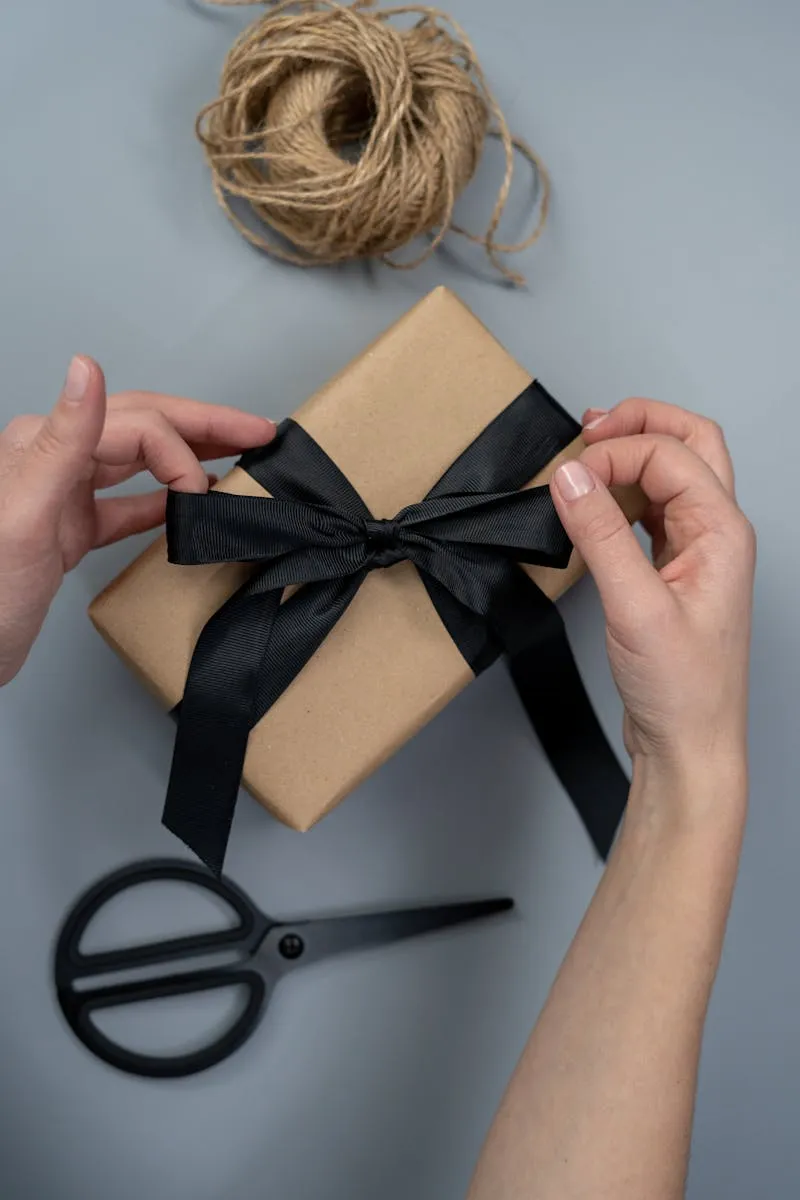
Gift wrapping in Japan is an art form. Walk into any Japanese department store and watch the staff wrap your purchase — the paper is folded with origami-like precision, the tape is hidden, and the result looks like it belongs in a museum. Japanese gift wrapping isn’t about hiding the contents; it’s about expressing respect for the recipient through the care you invest in the presentation.
Living in Japan, we’ve absorbed these wrapping traditions through years of giving and receiving gifts. The techniques are learnable, the materials are accessible, and the results dramatically elevate any gift. Here’s how to wrap gifts the Japanese way.
Furoshiki (風呂敷) — Fabric Gift Wrapping
What Is Furoshiki?
Furoshiki is a traditional Japanese wrapping cloth — a square piece of fabric used to wrap, carry, and present gifts, bento boxes, and everyday items. The practice dates back centuries, and in modern Japan, furoshiki has experienced a renaissance as an eco-friendly alternative to disposable wrapping paper.
The cloth itself is the wrapping, the decoration, and part of the gift. The recipient keeps the furoshiki for their own wrapping needs, creating a cycle of reuse.
Choosing a Furoshiki
Size matters:
- 45cm (18 in) — Small items: books, wallets, small boxes
- 70cm (28 in) — Medium items: most gift boxes, bottles, bento
- 90cm (35 in) — Large items: clothing boxes, large packages
- 100cm+ (40+ in) — Extra large items, bags, and multi-item wrapping
Material options:
- Cotton — Most common, durable, washable, available in thousands of designs
- Silk — Luxurious feel and sheen, for special occasions
- Nylon/Polyester — Budget-friendly, lightweight, water-resistant
- Chirimen (crepe) — Textured fabric with traditional aesthetic
Approx. ~$8–25 (cotton), ~$25–60 (silk), ~$5–15 (nylon)
Basic Furoshiki Wrapping Techniques
Otsukai Tsutsumi (Basic Wrap)
The most common furoshiki wrap for rectangular boxes:
- Place the furoshiki flat, diamond-orientation (corner pointing toward you)
- Place the gift box in the center, slightly off-center toward you
- Fold the nearest corner over the box and tuck under
- Fold the far corner over toward you and tuck
- Fold the left corner over the box
- Fold the right corner over the box
- Tie the left and right ends together in a square knot on top
- Adjust the fabric and knot for a clean, symmetrical appearance
Bin Tsutsumi (Bottle Wrap)
For wrapping wine bottles or sake bottles:
- Place the furoshiki flat, diamond-orientation
- Place the bottle in the center, standing upright
- Roll the front and back corners up around the bottle
- Cross the left and right corners behind the bottle
- Bring them around to the front and tie in a knot at the base of the neck
Bag Style (Sage Tsutsumi)
Creates a carrying bag from the furoshiki:
- Place items in the center of the cloth
- Tie opposite corners together to form two handles
- The result is a compact, reusable carrying bag
Furoshiki Knot Styles
- Ma-musubi (square knot) — The standard flat knot. Pull both sides equally for symmetry.
- Hana-musubi (flower knot) — A decorative knot that creates petal-like loops. More elaborate and festive.
- Simple bow — A Western-style bow works too, though it’s less traditional.
Washi Paper Gift Wrapping
Using Washi Paper
Traditional Japanese washi paper makes exquisite gift wrap. The paper’s texture — visible fibers, slight translucency, organic feel — communicates quality and intentionality that machine-made wrapping paper cannot.
Best washi paper for wrapping:
- Chiyogami — Patterned washi with bold traditional designs. Best for small to medium gifts. See our Japanese paper crafts guide.
- Plain kozo washi — Undyed mulberry paper in natural white or cream. Elegant and understated.
- Dyed washi — Solid-color washi in muted tones. Sophisticated for professional gifts.
Japanese Paper Wrapping Technique
The Japanese department store wrapping technique (called tato-tsutsumi or diagonal wrapping) uses less paper than the standard Western method and creates clean, hidden seams:
- Place the paper diamond-orientation on your work surface
- Place the box in the center at a diagonal angle
- Fold the bottom corner up and over the box
- Fold the left side over, creating a clean diagonal edge
- Roll the box toward the remaining paper
- Fold and tuck the final corner under, securing with tape
The result: no visible tape on the presentation side, clean diagonal lines, and a professionally finished appearance.
Decorative Finishing
Mizuhiki (水引)
Mizuhiki cords — twisted washi paper strands — are the traditional Japanese gift decoration. Different knot patterns convey different meanings (see our paper crafts guide for knot types). Pre-tied mizuhiki decorations are available for purchase and simply attach to the wrapped gift.
Washi Tape Accents
Use washi tape as decorative tape on wrapped gifts. Choose patterns that complement the wrapping paper or furoshiki. Washi tape’s semi-transparent quality blends with the wrapping rather than covering it.
Natural Elements
Japanese wrapping often incorporates natural elements:
- A small branch of pine or seasonal greenery
- Dried flowers or pressed leaves
- A piece of twine or natural cord
- A small origami crane attached to the knot
Noshi (熨斗)
For formal gifts in Japan, a noshi — a folded paper decoration originally representing dried abalone — is attached. Modern noshi are printed paper strips that signify celebration. While specific to Japanese cultural context, the aesthetic of noshi adds elegance to any wrapped gift.
Gift Wrapping for Stationery Gifts
Giving Japanese stationery as a gift? Match the wrapping to the contents:
- Pens: Wrap in a small furoshiki (45cm) with a simple knot
- Notebooks: Wrap in washi paper with a washi tape seal
- Stationery sets: Box the items, wrap in furoshiki, add a mizuhiki accent
- Gift cards/vouchers: Place in a hand-folded washi envelope (pochibukuro)
Tape Selection for Washi Paper Wrapping
When wrapping with washi paper, the tape you use matters far more than it does with standard glossy wrapping paper. Avoid conventional clear tape — it looks harsh against washi’s organic texture, and the adhesive can tear thin kozo paper when removed.
The right choices:
- Washi tape — The natural option. A narrow strip of washi tape in a matching or complementary pattern seals the wrap without fighting the paper’s aesthetic. Semi-transparency helps it blend rather than sit on top.
- Double-sided washi tape — Completely invisible from the outside. Creates clean seams that appear to be folded edges, mimicking the look of department-store wrapping.
- Japanese craft glue (nori) — For washi-on-washi applications, a tiny dab of traditional paste adhesive creates an invisible seal. See our best Japanese glue guide for the right options.
If presentation is the priority, double-sided washi tape on clean diagonal folds produces results that are genuinely difficult to distinguish from professional department-store wrapping.
Eco-Friendly Gift Wrapping
Japanese wrapping traditions are inherently more sustainable than disposable wrapping paper:
- Furoshiki: Reusable indefinitely. One furoshiki replaces dozens of wrapping paper uses.
- Washi paper: Biodegradable and often made from sustainable plant fibers
- Natural decorations: Compostable and zero waste
- Mizuhiki: Reusable and biodegradable
By adopting Japanese wrapping methods, you eliminate the annual waste of single-use wrapping paper while producing more beautiful results.
Where to Buy Supplies
- Furoshiki: Amazon, specialty Japanese stores, Kinokuniya bookstores
- Washi paper: Japanese craft stores, online retailers, Daiso
- Mizuhiki cords: Japanese craft supply stores, online
- Washi tape: See our best washi tape brands guide
- Complete guide: Where to buy Japanese stationery
Frequently Asked Questions
Is furoshiki wrapping difficult to learn?
The basic wrap (Otsukai Tsutsumi) can be learned in 5 minutes. More complex wraps take 15-30 minutes of practice. The key is starting with a properly sized cloth — too small and the wrapping is tight and stressful; too large and the fabric is bulky.
What size furoshiki should I buy first?
70cm (28 inches) is the most versatile size — it handles most common gift boxes, books, and medium-sized items. This is the size we recommend for your first furoshiki.
Can I use any fabric as furoshiki?
Any non-stretch, square fabric works. Cotton is ideal — it holds folds, ties knots cleanly, and is widely available. Avoid stretchy fabrics (jersey, spandex) as they don’t hold shape. If using non-square fabric, cut it into a square first.
Is Japanese-style wrapping appropriate for Western gifts?
Absolutely. Furoshiki and washi paper wrapping are universally appreciated — the quality and care are evident regardless of cultural context. Many recipients are delighted by the unique presentation, especially if you explain the tradition briefly.
How do I store furoshiki cloths?
Fold neatly and store in a drawer or on a shelf. Unlike wrapping paper (which crumples and tears), furoshiki folds flat and stores compactly. A stack of 5-10 furoshiki in various sizes takes up less space than a few rolls of wrapping paper and serves every gifting occasion.
What if my gift is an awkward or irregular shape?
Furoshiki handles irregular shapes far better than rigid paper wrapping — the cloth conforms to whatever is inside. For very bulky or irregular items, use a larger furoshiki than you think you need and focus on a generous, casual knot rather than trying to achieve crisp folds. The Japanese concept of tsutsumu (包む, to wrap) embraces the organic quality of fabric around irregular contents as part of the aesthetic. For small irregular items like rolled posters, cord bundles, or cylindrical containers, the Bin Tsutsumi bottle wrap technique adapts readily.
How do I wrap something fragile with washi paper?
Washi paper alone provides almost no cushioning. For fragile gifts, first wrap the item in plain tissue paper or thin foam padding, then wrap that bundle in washi using the diagonal Japanese method. The tissue layer protects the contents; the washi layer creates the presentation. This two-layer approach is standard at Japanese gift shops and produces both beautiful and protective results. For jewelry or very small fragile items, fold a washi pochibukuro envelope, place the cushioned item inside, and use that as the inner wrap before adding a second decorative outer layer. Our paper crafts guide covers the pochibukuro fold in detail.