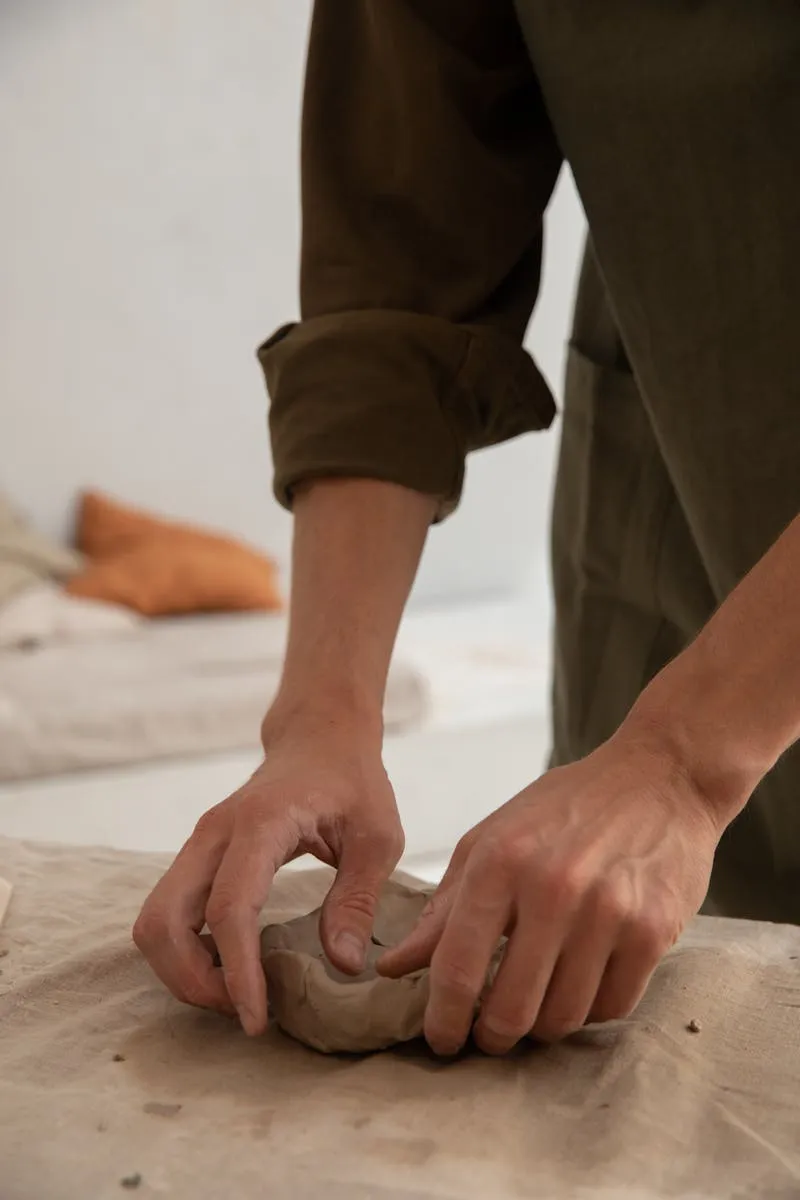
Japanese craft supplies combine centuries of tradition with modern precision engineering. From delicate origami paper to razor-sharp scissors, Japan produces tools that make every creative project more enjoyable. This guide covers the essential craft supplies and techniques from Japan.
Living in Japan, we have visited washi (Japanese paper) workshops in Echizen, browsed the craft floors of Tokyu Hands and Itoya in Tokyo, and tested supplies from brands that most Western crafters have never heard of. What strikes us every time is how deeply craft is woven into Japanese culture. It is not a niche hobby here; it is a part of daily life. Children learn origami in kindergarten. Calligraphy is a required subject in elementary school. Adults practice ikebana (flower arrangement) and kintsugi (golden repair) as lifelong pursuits. This cultural depth translates directly into the quality and variety of craft supplies available.
Overview of Japanese Craft Traditions
Understanding the traditions behind the supplies helps you choose the right tools and approach each craft with the respect it deserves. Here are the major Japanese craft traditions and what makes each one distinctive:
Origami (paper folding) is perhaps the most recognized Japanese craft worldwide. Originating in the 6th century when paper was first introduced to Japan from China, origami evolved from ceremonial wrappings into a sophisticated art form with thousands of documented models. Modern origami ranges from simple crane folds to complex tessellations that require dozens of precise folds on a single sheet.
Calligraphy (shodou, meaning “the way of writing”) is both art and meditation. Using a brush, ink, and paper, practitioners aim to express beauty through the written character. Japanese calligraphy encompasses multiple scripts: kaisho (block style), gyousho (semi-cursive), and sousho (cursive). Each requires different brush techniques and years of practice to master.
Kintsugi (golden joinery) is the art of repairing broken ceramics with lacquer mixed with powdered gold, silver, or platinum. Rather than disguising the break, kintsugi celebrates it as part of the object’s history. This philosophy of wabi-sabi — finding beauty in imperfection — makes kintsugi both a craft and a meditative practice. Modern kits have made it accessible to beginners, though traditional urushi (lacquer) techniques require significantly more skill and time.
Stamp carving (keshigomu hanko, or eraser stamp carving) has exploded in popularity in Japan over the past decade. Using rubber or soft erasers, crafters carve custom designs that can be inked and stamped onto paper, fabric, and other surfaces. The results range from simple icons to remarkably detailed illustrations.
Bookbinding (wasou-bon, or Japanese-style binding) uses a distinctive stab-binding technique where thread is sewn through the spine of stacked pages. The result is an elegant exposed binding that is both decorative and functional. Japanese bookbinding requires minimal specialized equipment, making it an excellent entry point for craft beginners.
Essential Supplies by Craft Type
Each Japanese craft tradition has its own essential supplies. Here is what you need to get started with each one:
For Origami:
- Quality origami paper (standard 6 x 6 inches / 15 x 15 cm) in various types: kami (standard colored), washi (handmade fiber paper), chiyogami (patterned traditional), or tanto (textured)
- A bone folder for sharp creases
- A cutting mat and ruler for custom-sized paper
- Budget: $10 to $30 for a generous starter collection
For Calligraphy:
- A fude (brush) — start with a medium-sized chuufude for versatility
- A suzuri (ink stone) for grinding solid ink, or bottled sumi (ink) for convenience
- Hanshi (calligraphy practice paper) — thin, absorbent paper sold in packs of 100 sheets
- A shitajiki (felt underlay) to cushion your writing surface
- Budget: $25 to $60 for a basic set
For Kintsugi:
- A beginner kit with food-safe adhesive, gold powder, and finishing lacquer (around $30 to $50)
- Fine-grit sandpaper (400 to 600 grit) for smoothing joins
- A small brush for applying adhesive and gold
- A broken ceramic piece to practice on
- Budget: $30 to $60 for a complete starter kit
For Stamp Carving:
- Soft carving blocks (Seed or Hinodewashi brand rubber blocks are excellent)
- A carving knife set with V-gouge and U-gouge blades
- A stamp ink pad (Tsukineko Versafine for fine detail work)
- Tracing paper and pencil for transferring designs
- Budget: $15 to $35 for basic supplies
For Bookbinding:
- A bookbinding needle (long, blunt-tipped)
- Waxed linen or cotton thread
- A bone folder
- An awl or Japanese screw punch for making holes
- Cover paper or bookboard
- Budget: $20 to $40 for supplies to make several books
Quality Differences: Japanese vs. Western Craft Supplies
In our experience, the quality gap between Japanese and Western craft supplies is most noticeable in three areas:
Paper. Japanese washi is in a class of its own. Made from plant fibers like kozo (mulberry), mitsumata, and gampi, washi is simultaneously strong, flexible, and translucent. A single sheet of quality washi can be folded dozens of times without tearing, which is why serious origami artists insist on it. Mass-produced Western craft paper, by contrast, typically breaks down after a handful of folds.
Cutting tools. Japanese scissors and craft knives use harder steel, ground to sharper angles, and assembled with tighter tolerances than most Western equivalents. A pair of Allex or Canary scissors will cut paper, fabric, and thread with noticeably less effort and more precision than comparable Western brands. The difference is particularly apparent when cutting intricate shapes or thin materials.
Adhesives. Japanese tape runners and liquid adhesives from brands like Kokuyo, Tombow, and Plus are cleaner, more precise, and less likely to wrinkle paper than Western glue sticks. The Tombow Pit tape runner, for example, applies a thin, even layer of adhesive that bonds instantly and never bleeds through paper — something we cannot say about most Western alternatives we have tried.
Paper Crafts
Origami Paper
Japanese origami paper comes in stunning varieties — from traditional washi and chiyogami to modern tant and duo paper. Our guide covers types, standard sizes, and the best packs to buy.
Paper Crafts & Techniques
Beyond origami, explore traditional Japanese paper crafts including washi tape art, chigiri-e (torn paper art), and mizuhiki (decorative knot-tying).
Gift Wrapping
Master the art of Japanese gift wrapping with our guide to furoshiki cloth wrapping, washi paper techniques, and decorative finishing touches.
Cutting & Tools
Scissors
Japanese scissors are in a class of their own. From precision thread snips to heavy-duty fabric shears, brands like Allex, Canary, and Harac deliver exceptional cutting performance.
Adhesives
Finding the right glue matters for paper crafts. Our Japanese glue guide covers tape runners, liquid adhesives, and specialty craft glues.
Stamps & Printing
Rubber Stamps
Japanese rubber stamps add charm to journals, letters, and crafts. Explore pre-made designs and carving-your-own options from top Japanese makers.
Restoration & Repair
Kintsugi
Kintsugi — the Japanese art of repairing broken ceramics with gold — is both a craft and a philosophy. Our guide covers beginner kits, techniques, and the best supplies to start your kintsugi practice.
Calligraphy
Japanese Calligraphy Supplies
Start your calligraphy journey with our comprehensive calligraphy supplies guide, covering brushes, ink stones, and papers. For a broader introduction, see our stationery section on calligraphy pens.
DIY Projects
Notebook Binding
Create your own custom notebooks with our DIY Notebook Binding guide — covering Japanese stab binding, coptic stitch, and pamphlet styles.
Best Craft Supplies
For a curated selection of essential supplies, see our Best Japanese Craft Supplies roundup.
Tips for Getting Started with Japanese Crafts
Starting Your First Craft Project
If you are new to Japanese crafts, we recommend beginning with origami or stamp carving. Both require minimal investment, offer quick results, and introduce you to the precision-oriented mindset that defines Japanese craftsmanship.
For origami, start with traditional models like the tsuru (crane), kabuto (samurai helmet), and shuriken (throwing star). These teach the fundamental folds — valley fold, mountain fold, petal fold, and squash fold — that appear in nearly every model. Work with standard 6 x 6 inch (15 x 15 cm) kami paper before moving to washi, which behaves differently due to its fiber content. Once you can fold a crane from memory, you are ready for intermediate models.
For stamp carving, start with simple geometric shapes or basic icons. Draw your design on tracing paper, transfer it to the carving block by placing the tracing face-down and rubbing the back with a bone folder, then carve away the negative space around your design. The key is to carve shallow at first — you can always remove more material, but you cannot add it back.
Essential Tools for Beginners
Regardless of which craft you choose, these core tools are useful across multiple disciplines:
- A self-healing cutting mat (A3 size, around $15). Protects your table and provides a grid for measuring and cutting.
- A metal ruler (18 inches / 45 cm). Essential for straight cuts with a craft knife and for measuring paper.
- A bone folder (around $5 to $8). Used for creasing paper in origami, bookbinding, and card making.
- A sharp craft knife (Olfa or NT Cutter, $8 to $12). Japanese craft knives hold their edge longer and offer more precise snap-off blade mechanisms than most Western alternatives.
- A good pair of scissors (Allex or Canary, $12 to $20). Once you use Japanese scissors, you will not want to go back.
Where to Find Supplies
For US-based crafters, here are our recommended sources:
- JetPens carries an excellent curated selection of Japanese craft supplies, including origami paper, scissors, tape runners, and bookbinding tools. Free shipping over $35.
- Amazon has the widest selection and fastest shipping, though quality can be inconsistent with third-party sellers. Stick to items sold by or fulfilled by Amazon for reliability.
- Paper Tree (San Francisco) and Kinokuniya (multiple US locations) stock specialty Japanese papers and craft supplies that are hard to find online.
- Etsy is a good source for handmade washi paper, custom stamp carvings, and kintsugi kits from independent Japanese artisans.
- Direct from Japan via proxy services like Buyee opens up the full range of Japanese craft supplies. Tokyu Hands and Yuzawaya (a major craft chain) both ship domestically, and a proxy service handles international forwarding for around $10 to $20 per package.
Frequently Asked Questions
What’s a good beginner Japanese craft to try?
Origami is the perfect starting point — it requires only paper and patience. A pack of standard origami paper costs under $5, and free tutorials are available on YouTube for every skill level. Start with traditional models like the crane and the box, then explore more complex designs as your skills grow. Stamp carving is another excellent beginner craft with a low entry cost and satisfying results.
Where can I buy Japanese craft supplies online?
JetPens, Amazon, and specialty craft retailers stock Japanese supplies. JetPens is our top recommendation for curated quality and reliable shipping. For harder-to-find items like handmade washi or traditional calligraphy supplies, check Etsy, Paper Tree, or Kinokuniya. Our individual guides include specific retailer recommendations for each product category.
Is kintsugi difficult for beginners?
Modern kintsugi kits make it accessible for beginners. These kits typically use food-safe epoxy rather than traditional urushi (lacquer), which simplifies the process significantly. You can complete your first repair in an afternoon. Our kintsugi guide recommends starter kits that include everything you need and walks you through the process step by step.
How much does it cost to get started with Japanese crafts?
Most Japanese crafts can be started for under $30. Origami requires only paper ($5 to $15 for a generous pack). Stamp carving needs a carving block, knife set, and ink pad ($15 to $35 total). Bookbinding materials run around $20 to $40. Calligraphy sets start at $25 for a basic kit. Kintsugi kits range from $30 to $60. The quality of Japanese supplies means your initial investment will last through many projects.
What is the difference between washi and regular paper?
Washi (Japanese paper) is made from natural plant fibers — primarily kozo (mulberry), mitsumata, and gampi — using traditional hand-papermaking techniques. This gives washi several advantages over machine-made Western paper: it is stronger, more flexible, more absorbent, and has a distinctive organic texture. Washi can be folded, torn, layered, and shaped in ways that would destroy standard paper. For crafts like origami and bookbinding, washi’s superior durability and tactile quality make it the preferred material.
Do I need to know Japanese to follow Japanese craft instructions?
No. Most Japanese craft books use detailed step-by-step diagrams that transcend language barriers. Origami instructions, in particular, follow a standardized international notation system. For video tutorials, many Japanese crafters on YouTube include English subtitles or demonstrate techniques visually. We also link to English-language resources throughout our individual craft guides.
Shopping for a crafter?
Our Japanese Craft Gift Guide has curated picks at every price point — from under-$20 origami starter sets to heirloom-quality kintsugi kits — organized by craft type so you can match the gift to the recipient.