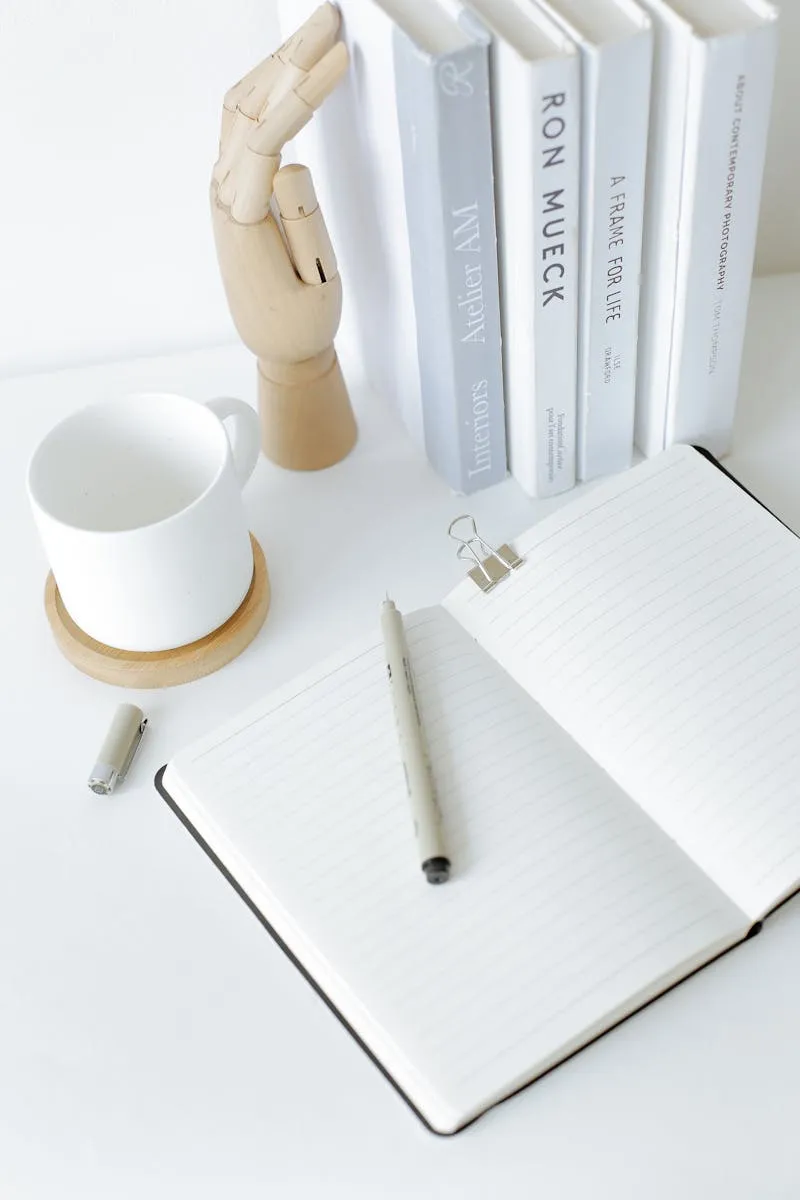
There is something deeply satisfying about a well-organized Japanese desk. Walk into any stationery store in Tokyo — from the floors of Itoya in Ginza to the aisles of Loft in Shibuya — and you will find entire sections dedicated to desk organization. In Japan, the workspace is not just functional; it is a reflection of how you think, how you create, and how you approach your work. The concept of seiton (tidiness, organization) is woven into daily life, and nowhere is it more visible than on a thoughtfully arranged desk.
We have spent years building and refining our own desks here in Japan, testing dozens of products across every category — pens, notebooks, organizers, tools, and accessories. This guide distills everything we have learned into a practical, actionable blueprint for creating a Japanese-inspired desk setup that is both beautiful and genuinely useful.
Whether you are building a home office, upgrading your study space, or simply tired of a cluttered desk, this guide will walk you through every element of the perfect Japanese desk setup.
Pentel EnerGel 0.5mm Retractable Gel Pen
Our top pick for the everyday desk pen — it writes instantly, dries in under two seconds, and produces clean, precise lines that make it the most reach-for-it pen on any Japanese-inspired desk.
Check Price on Amazon → Free US shipping on eligible orders *Price approximate at time of writing. Check retailer for current price.What You’ll Learn:
- The philosophy behind Japanese desk organization
- Essential desk pens and writing instruments
- Notebook and paper setups that actually work
- Desk organizers and storage solutions
- Tools and accessories that earn their space
- Aesthetic tips to tie everything together
The Japanese Desk Philosophy: Less, but Better
Before we talk products, we need to talk philosophy. Japanese desk design follows a principle that overlaps with minimalism but is not quite the same: everything on your desk should have a purpose, and everything should have a place. The Japanese word mono no aware (an awareness of things) captures the idea that the objects around you matter — not because you need more of them, but because the ones you choose should be worth caring about.
In practice, this means three things:
- Curate, don’t accumulate. A Japanese desk is not about having every pen ever made. It is about having the right five or six pens that cover your needs perfectly.
- Designate a home for everything. Every item on your desk should have a specific spot it returns to. Pen cases, trays, and organizers make this effortless.
- Prioritize quality over quantity. One excellent gel pen you love using beats a cup full of mediocre pens you grab at random.
With that mindset in place, let’s build your desk.
Desk Pens: The Foundation of Your Setup
Your desk pens are the tools you reach for most often, so they deserve the most thought. We recommend keeping three to five pens on your desk at any given time, covering your core writing needs without creating clutter.
The Everyday Gel Pen
Every desk needs a reliable daily-driver pen. Our top pick is the Pentel EnerGel 0.5mm ($2.75). It writes smoothly, dries in under two seconds (a blessing if you are left-handed), and the needle-tip produces clean, precise lines. If you prefer a slightly broader line, the Pilot G2 0.7mm ($1.50) is the other obvious choice — it is the best-selling gel pen in America for a reason. We covered both in depth in our EnerGel vs G2 comparison.
For those who want something a step above, the Pilot Juice Up 0.4mm (~$3) offers an incredibly smooth, skip-free experience thanks to Pilot’s Synergy Tip technology. We consider it one of the best gel pens available — see our best Japanese gel pens roundup for the full ranking.
The Mechanical Pencil
A quality mechanical pencil is essential for sketching, drafting, or anytime you need erasable lines. The Tombow Mono Graph 0.5mm ($5.50) is our desk favorite — it has a built-in MONO eraser (the best eraser brand in Japan), a satisfying shake mechanism for advancing lead, and a low center of gravity that makes it comfortable for extended use. For more options, our best Japanese mechanical pencils guide covers everything from budget picks to premium drafting instruments.
The Fountain Pen (Optional but Rewarding)
If you have never used a fountain pen, a Japanese desk setup is the perfect excuse to start. Japanese fountain pens are engineered for everyday writing — they are reliable, low-maintenance, and produce beautiful lines without fuss. The Pilot Kakuno (~$12) is the friendliest entry point, with an ergonomic triangular grip and a charming smiley face on the nib. Pair it with a bottle of Pilot Iroshizuku ink (we review the full line in our Iroshizuku review) for a writing experience that will genuinely change how you feel about putting pen to paper.
For more fountain pen recommendations, check out our guide to the best Japanese fountain pens under $50.
Color Coding: Highlighters and Markers
Color coding is not just for students — it is a productivity system. Keep a small set of Zebra Mildliners ($8.50 for a 5-pack) on your desk for highlighting, annotating, and adding visual hierarchy to your notes. The pastel colors are subtle enough that they do not overwhelm your pages, and the dual tips (broad chisel and fine bullet) give you flexibility. We tested them extensively in our Mildliner review and consider them the best highlighters on the market.
Check Pentel EnerGel on Amazon | Check Zebra Mildliner on Amazon
The Notebook Station
A Japanese desk without a quality notebook is like a kitchen without a cutting board — technically functional, but missing the point. Here is how we recommend setting up your notebook station.
Choosing Your Desk Notebook
Your desk notebook should be something you enjoy opening every day. Our top recommendation is the Midori MD Notebook A5 (~$12). The cream-colored MD paper is one of the finest writing papers in the world — smooth, fountain-pen-friendly, and satisfying to write on with any instrument. The minimalist paraffin wax cover develops a beautiful patina over time. We detailed its qualities in our Midori MD review.
For daily planning, the Hobonichi Techo (~$28) is the gold standard. Its Tomoe River paper handles everything from gel pens to fountain pens to watercolor without bleeding, and the daily page format gives you ample space to plan, journal, and create. Learn more in our Hobonichi Techo review.
For budget-friendly everyday notes, the Kokuyo Campus Notebook ($3.50) offers outstanding paper quality at a fraction of the price. We reviewed it in our Campus notebook deep dive. Check our best Japanese notebooks guide for the full comparison.
Notebook Stands and Holders
A notebook stand keeps your active notebook elevated and at a comfortable reading angle, reducing neck strain and making it easier to reference notes while working at a screen. Look for stands made of wood, bamboo, or metal that hold A5 or B5 notebooks at a 30- to 45-degree angle. Many Japanese desk enthusiasts use simple bamboo book stands from Muji, which are affordable, minimal, and blend with any desk aesthetic.
Alternatively, a Midori or Traveler’s Company brass notebook clip can prop open a specific page, keeping your current task list or reference notes visible at a glance.
Pen Cases and Desk Storage
Loose pens rolling around a desk is the enemy of a clean setup. Japanese pen cases and desk organizers are designed to solve this with characteristic thoughtfulness.
Desk Pen Cases
A desk pen case sits open on your work surface, giving you quick access to your most-used pens while keeping them organized. The classic choice is a tray-style case that lies flat when open, displaying your pens side by side. Look for cases from brands like Midori, Delfonics, or Lihit Lab that feature magnetic closures and fold-flat designs.
The key is to choose a case that holds five to eight pens comfortably — enough for your core rotation without encouraging hoarding. If your pen case is overflowing, that is a sign to curate, not to buy a bigger case.
Desk Organizers
For everything beyond pens — sticky notes, clips, tape, erasers — a compact desk organizer keeps small items accessible without scattering them across your surface. Japanese desk organizers tend to be modular, allowing you to customize compartments for your specific needs.
Kokuyo’s desk organizer trays are excellent — they stack, interlock, and come in neutral colors that do not clash with your setup. Muji’s acrylic desk organizers are another popular option: transparent, minimal, and surprisingly sturdy. The goal is to corral the small stuff so your main desk surface stays clear.
Essential Desk Tools
Beyond pens and notebooks, a handful of well-chosen tools round out a complete Japanese desk setup. Each of these has earned its spot through genuine daily usefulness.
The Eraser
The Tombow MONO Eraser ($1.50) is the standard. It erases cleanly, does not tear paper, and produces minimal residue. We covered it (and its competitors) in our best Japanese erasers guide. Keep one on your desk at all times if you use pencils.
The Ruler
The Midori Aluminum Non-Slip Ruler (~$12) is as much a desk accessory as it is a tool. The aluminum body feels premium, the non-slip silicone base keeps it from sliding when you draw lines, and the minimal design looks beautiful sitting on your desk. At 6 inches (15cm), it is the right size for notebook work without taking up excessive space.
Tape and Adhesives
A quality tape dispenser is one of those things you do not think about until you have a good one. Japanese tape dispensers from brands like Kokuyo and Nichiban are designed to cut cleanly and sit securely on your desk. For decorative and organizational tape, washi tape is indispensable — we have a full guide to the best washi tape brands if you want to explore that world.
The Stapleless Stapler
The Kokuyo Harinacs Stapleless Stapler (~$7) is a quintessentially Japanese desk item — innovative, practical, and a little delightful. It binds up to five sheets by pressing and folding the paper itself, with no staples required. It is eco-friendly, shredder-safe, and never runs out of staples because there are none. It is one of those products that makes visitors to your desk ask, “Where did you get that?”
The Craft Knife
For precision cutting — trimming washi tape, opening packages, cutting paper to size — the OLFA Art Knife Pro ($8.50) is the standard. OLFA literally invented the snap-off blade, and this precision craft knife reflects that heritage. It is light, sharp, and comfortable for detailed work.
The Pencil Sharpener
If you use wooden pencils or colored pencils, the CARL Angel-5 Pencil Sharpener (~$25) is a worthwhile desk investment. With five adjustable point settings and an auto-stop mechanism that prevents over-sharpening, it delivers the perfect point every time. The desktop-mounted design keeps it stable during use, and the large shavings tray means less frequent emptying.
Aesthetic Tips: Making Your Desk Look as Good as It Works
A Japanese desk is not just organized — it is intentional. Here are the aesthetic principles we follow to make our workspaces feel cohesive and calm.
Choose a Color Palette
Pick two or three base colors and stick with them across your desk items. A common Japanese desk palette is white, natural wood, and brass or black metal accents. This does not mean every item must be the same color, but having a consistent palette prevents visual chaos. When your pen case, notebook, organizer, and tools share a color family, the whole desk feels composed rather than random.
Embrace Negative Space
Resist the urge to fill every square inch of your desk. In Japanese aesthetics, ma (negative space) is not emptiness — it is an intentional element of design. Leave open space on your desk surface. It makes the items you do display feel more intentional and gives your eyes (and mind) room to breathe. A cluttered desk creates a cluttered headspace; a desk with breathing room invites focus.
Use Natural Materials
Japanese desk accessories often feature natural materials — wood, bamboo, leather, brass, cotton, linen. These materials age gracefully, developing patina and character over time rather than looking worn out. A leather pen case, a brass pen stand, and a wooden notebook holder create a warm, tactile desk that feels fundamentally different from a surface covered in plastic.
Rotate Seasonally
In Japan, kisetsukan (seasonal awareness) influences everything from food to fashion to home decor. Apply this to your desk by rotating small elements seasonally: swap your washi tape patterns, change your ink color, or switch your notebook cover. These small changes keep your workspace feeling fresh without requiring a complete overhaul.
The One-Touch Rule
Borrowed from Japanese organization expert Marie Kondo, the one-touch rule means every item should be accessible in a single motion. Your daily pen should not require opening a drawer, unzipping a case, and removing a cap. It should be right there, ready. Arrange your desk so the items you use most frequently are within arm’s reach and require minimal steps to access.
Check Midori MD Notebook on Amazon | Check Tombow MONO Eraser on Amazon
Putting It All Together: A Sample Japanese Desk Setup
Here is a complete desk setup we recommend for someone starting from scratch, with approximate costs:
| Item | Product | Price |
|---|---|---|
| Daily Gel Pen | Pentel EnerGel 0.5mm | ~$2.75 |
| Mechanical Pencil | Tombow Mono Graph 0.5mm | ~$5.50 |
| Fountain Pen | Pilot Kakuno (Medium) | ~$12 |
| Highlighters | Zebra Mildliner 5-pack | ~$8.50 |
| Notebook | Midori MD Notebook A5 | ~$12 |
| Eraser | Tombow MONO Eraser | ~$1.50 |
| Ruler | Midori Aluminum Non-Slip Ruler | ~$12 |
| Stapler | Kokuyo Harinacs Stapleless Stapler | ~$7 |
| Craft Knife | OLFA Art Knife Pro | ~$8.50 |
| Total | ~$70 |
That total is under $70 for a complete, high-quality desk setup — remarkable value when you consider that each of these products is best-in-class in its category. You could spend less by skipping the fountain pen and craft knife, or spend more by upgrading to premium pen cases and organizers. The point is that a beautiful, functional Japanese desk does not require a huge investment.
Frequently Asked Questions
Do I need to buy everything at once?
Not at all. We recommend starting with a great pen and a great notebook — those two items will have the biggest impact on your daily experience. Add other pieces over time as you identify what your desk actually needs.
Where is the best place to buy Japanese desk accessories in the US?
JetPens is our top recommendation for the widest selection of Japanese stationery and desk items. Amazon carries many of the products we recommend and is convenient for quick purchases. For a more curated experience, Muji stores carry excellent desk organizers and basic tools. If you’re outside the US, the Amazon links on our site automatically redirect to your local store (Amazon.co.uk, Amazon.ca, Amazon.com.au, and more), so you can shop with local shipping and pricing. We cover all the best options in our where to buy Japanese stationery guide.
Can I build a Japanese-style desk setup on a tight budget?
Absolutely. Start with a Pilot G2 ($1.50), a Kokuyo Campus Notebook ($3.50), and a Tombow MONO Eraser ($1.50) — that is $6.50 for three best-in-class items. Japanese stationery is generally affordable; the premium comes from thoughtful design, not luxury pricing.
How do I keep my desk organized long-term?
The key is the “one in, one out” rule. When you add a new pen to your desk, remove one. This prevents gradual accumulation and forces you to be intentional about what earns desk space. Spend five minutes at the end of each week returning everything to its designated spot.
What is the difference between a Japanese desk setup and a minimalist desk setup?
They overlap significantly, but a Japanese desk setup is not purely minimalist. It is about intentionality, quality, and harmony rather than simply having fewer things. A minimalist desk might be bare; a Japanese desk has carefully chosen objects that bring both function and quiet satisfaction. The goal is not emptiness — it is purpose.
If you are new to the world of Japanese stationery entirely, start with our Japanese stationery beginners guide to learn the major brands and product categories before building your desk. Students setting up a study desk will benefit from pairing their workspace with the best Japanese textbooks for structured learning. And if you are shopping for someone else, our Japanese stationery gift guide is a great resource for desk-friendly gifts.
Happy building.