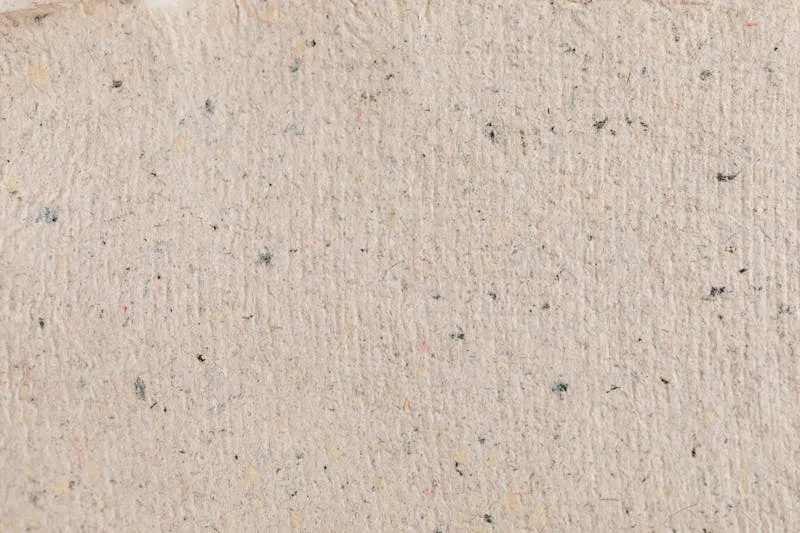
Paper is the foundation of every writing experience. The finest pen in the world will disappoint on cheap paper, and a humble ballpoint can feel surprisingly satisfying on the right stock. Japanese paper manufacturers understand this relationship deeply, and they produce some of the finest writing papers available anywhere — papers engineered not just to accept ink but to showcase it, papers that make the act of writing a tactile pleasure.
Living in Japan, we have access to papers that most Western stationery users only read about. We have filled notebooks with Tomoe River, Midori MD, Kokuyo Campus, Graphilo, Bank Paper, and dozens of others. We have tested each with fountain pens, gel pens, ballpoints, pencils, markers, and brush pens. And we have developed strong opinions about which papers deserve your attention and your money.
This guide covers everything you need to know about Japanese paper: the major types, their characteristics, their ideal uses, and how to choose the right paper for your needs.
Understanding Paper Weight (GSM)
Paper weight is measured in grams per square meter (GSM or g/m2). Higher GSM means thicker, heavier paper. Here is a general reference:
| GSM | Thickness | Common Use |
|---|---|---|
| 40-50 | Very thin | Tomoe River, Bible paper |
| 50-60 | Thin | Lightweight notebooks, planners |
| 60-75 | Standard-thin | Everyday notebooks |
| 75-90 | Standard | Copy paper, general notebooks |
| 90-120 | Thick | Premium notebooks, stationery |
| 120-160 | Very thick | Cardstock, greeting cards |
| 160+ | Board | Covers, postcards |
For most writing purposes, papers between 52gsm and 100gsm offer the best balance of thinness (more pages per notebook), writing quality, and show-through resistance. Japanese manufacturers have pushed the lower end of this range further than anyone, creating papers at 52gsm that perform better than many Western papers at 80gsm.
1. Tomoe River Paper — The Legend
GSM: 52 (original S-grade) | Color: White or cream | Texture: Ultra-smooth
Tomoe River paper is the most discussed, most debated, and most revered writing paper in the stationery world. Manufactured originally by Tomoegawa and now by Sanzen in updated “S” formulations, this 52gsm paper does things that should be physically impossible at its weight.
What Makes It Special
Tomoe River paper is extraordinarily thin — at 52gsm, it is roughly 35% thinner than standard copy paper. Yet it handles fountain pen ink with virtually no bleed-through, minimal feathering, and remarkable color accuracy. The secret is a proprietary coating and calendering process that creates an incredibly smooth, non-absorbent surface. Ink sits on top of the paper rather than soaking into it, which produces vivid colors and reveals ink properties — shading, sheen, shimmer — that are invisible on ordinary paper.
The smoothness is immediately noticeable. A fountain pen glides across Tomoe River with almost no friction, producing a writing sensation that feels luxurious and effortless. Gel pens write with exceptional crispness, and even ballpoints feel smoother than usual. The paper is a genuine pleasure to write on with any instrument.
The Trade-Offs
Tomoe River’s thinness means significant show-through — you can see writing from the reverse side as a clear shadow. This is not bleed-through (ink does not soak through to damage the other side), but it is visually present. Some users find this distracting; others accept it as the cost of having such thin, beautiful paper.
Dry time is slow. Because the ink sits on the surface rather than absorbing, it takes longer to dry — 15-30 seconds for fountain pen ink, 5-10 seconds for gel pen ink. Impatient writers may smear their work. Quick-drying inks and ballpoint pens mitigate this issue.
The paper can cockle (develop slight wrinkles or waviness) when exposed to wet inks, particularly saturated fountain pen inks. The cockling usually flattens when the ink dries, but heavy ink coverage can leave permanent texture.
Where to Find It
Tomoe River paper is used in several popular notebooks and planners:
- Hobonichi Techo — The most famous use of Tomoe River. See our Hobonichi Techo review.
- Hobonichi Weeks — Wallet-size planner with Tomoe River. See our Hobonichi Weeks review.
- Tomoe River loose sheets — Available in pads and packs for custom notebook use.
- Galen Leather notebooks — Turkish notebooks with Tomoe River inserts.
- Nanami Paper notebooks — Handmade notebooks using Tomoe River paper.
Best Pens for Tomoe River
- Fine fountain pens (EF or F nibs) — The smooth surface showcases ink beautifully
- Gel pens with fine tips (0.3-0.5mm) — Crisp lines with vibrant color
- Quick-drying ballpoints (Uni Jetstream) — Eliminates dry time concerns
Check Tomoe River Notebooks on Amazon
2. Midori MD Paper — The Writer’s Paper
GSM: ~75-80 | Color: Cream | Texture: Smooth with subtle tooth
If Tomoe River is the paper for ink enthusiasts, Midori MD is the paper for writers. Developed by Designphil (the company behind the Midori and Traveler’s Company brands), MD paper is specifically engineered for comfortable, extended writing sessions. The name “MD” stands for “Midori Diary” — the paper was originally developed for diary notebooks.
What Makes It Special
MD paper has a warm, cream color that is easier on the eyes than bright white paper during long writing sessions. The slightly off-white tone reduces visual fatigue and creates a more comfortable reading experience when reviewing what you have written.
The texture is smooth but with a subtle tooth — a fine grain that provides just enough feedback to make writing feel tactile without being rough. This tooth is particularly pleasant for fountain pen writing, where it provides a gentle “grip” that many writers find satisfying. It is also excellent for pencil writing, where the slight texture catches graphite effectively.
Ink handling is superb. MD paper absorbs ink faster than Tomoe River, which means shorter dry times (5-10 seconds for fountain pen ink) and less smearing risk. It resists feathering well, handles bold fountain pen nibs without bleeding, and shows virtually no show-through at its 75-80gsm weight. You can write confidently on both sides of every page.
The Trade-Offs
MD paper does not showcase ink sheen and shimmer the way Tomoe River does. The slightly absorbent surface draws ink into the paper rather than letting it sit on top, which means the flashier properties of specialty inks are muted. If showing off your ink collection is important, Tomoe River is the better choice.
The cream color can affect how certain inks appear. Blue inks, in particular, may look slightly different on cream paper compared to white paper. Most users find the effect pleasant — a slightly warmer, more muted tone — but it is worth noting if color accuracy matters to you.
Where to Find It
- Midori MD Notebook — Available in A4, A5, B6, and other sizes. See our Midori MD review.
- Midori MD Paper Pad — Loose sheets for letter writing and practice.
- Traveler’s Notebook refills — Some TN refills use MD paper. See our TN refills guide.
Best Pens for MD Paper
- Medium fountain pens (F or M nibs) — The paper’s absorption handles wetter nibs well
- Gel pens (any size) — Excellent ink performance with minimal smearing
- Pencils — The subtle tooth creates a satisfying pencil-on-paper feel
- Brush pens — Good ink absorption prevents pooling
3. Kokuyo Campus Paper — The Everyday Workhorse
GSM: ~75 | Color: White | Texture: Smooth
Kokuyo Campus notebooks are the most widely used notebooks in Japan. Walk into any classroom, office, or library in the country, and you will see Campus notebooks. Their paper is not exotic or legendary — it is simply excellent, consistently reliable, and astonishingly affordable.
What Makes It Special
Campus paper is engineered for one thing: everyday writing that looks clean and feels good. The smooth, white paper produces crisp, high-contrast lines with any pen type. It handles gel pens, ballpoints, and mechanical pencils beautifully, with minimal feathering, no bleeding, and fast dry times.
The paper is perhaps most remarkable for what it does not do — it does not bleed, it does not feather, it does not ghost, and it does not smear. It is the paper equivalent of a highly competent professional who does everything right without drawing attention to themselves. This reliability is exactly what makes it ideal for daily use.
Fountain Pen Performance
Campus paper is acceptable for fountain pens but not ideal. Fine and extra-fine nibs perform well, but broader nibs and wetter inks can cause minor feathering and show-through. For fountain pen enthusiasts, MD paper or Tomoe River is a better choice. For everyone else, Campus paper is more than sufficient.
Where to Find It
- Kokuyo Campus Notebook — Available in virtually every size and ruling. See our Campus review.
- Kokuyo Campus High Grade — A premium version with slightly better fountain pen performance.
- Kokuyo Soft Ring Notebook — Same paper in a soft-ring binding.
Best Pens for Campus Paper
- Gel pens (all types) — The paper is optimized for gel ink
- Ballpoint pens — Quick-drying, clean results
- Mechanical pencils — Smooth, precise graphite application
- Fine fountain pens — EF and F nibs work well; avoid broad nibs
4. Graphilo Paper — The Fountain Pen Paper
GSM: ~75 | Color: White | Texture: Ultra-smooth
Graphilo paper is relatively new and specifically designed for fountain pen users. Developed by Kamisoe, a boutique Japanese paper company, Graphilo was created through extensive testing with fountain pen inks to achieve optimal ink-on-paper performance.
What Makes It Special
Graphilo sits in a sweet spot between Tomoe River and MD paper. It is smoother than MD (closer to Tomoe River’s glassy surface) but more absorbent than Tomoe River (faster dry times, less cockling). This combination produces a writing experience that fountain pen users find ideal — the smoothness they love, without the drawbacks of ultra-thin paper.
Ink shading is excellent on Graphilo. The paper reveals tonal variations within individual letters, creating a visual depth that flat-absorbing papers cannot achieve. Sheen is visible but less pronounced than on Tomoe River. Overall, Graphilo provides a “best of both worlds” fountain pen experience.
Where to Find It
Graphilo is available primarily as loose-leaf paper and notebooks from Japanese stationery retailers. It is less widely available in the US than Tomoe River or MD paper, but can be found through specialty stationery shops and online retailers.
5. Bank Paper — The Hidden Classic
GSM: 40-60 | Color: White | Texture: Very smooth
Bank paper (also called onion skin paper) is a traditional thin paper originally used for carbon copies and bank documents. While its original use has faded, bank paper has found a passionate following among fountain pen enthusiasts who appreciate its thin, crisp, and surprisingly ink-friendly properties.
What Makes It Special
Good-quality Japanese bank paper is extremely thin (40-60gsm) yet handles fountain pen ink with minimal feathering. The paper has a crisp, slightly crinkly feel that is distinct from the smooth, limp feel of Tomoe River. Some fountain pen users prefer this crispness — it feels more “papery” and traditional.
Bank paper is particularly popular for letter writing, where the thin pages allow more content per envelope without exceeding weight limits. Several Japanese stationery brands offer letter sets on bank paper specifically for fountain pen users.
Paper Comparison Chart
| Paper | GSM | Texture | FP Friendliness | Show-Through | Dry Time | Best For |
|---|---|---|---|---|---|---|
| Tomoe River S | 52 | Ultra-smooth | Excellent | High | Slow | Ink showcase, planners |
| Midori MD | 75-80 | Smooth w/ tooth | Very Good | Low | Medium | Extended writing |
| Kokuyo Campus | 75 | Smooth | Good | Low | Fast | Everyday use |
| Graphilo | 75 | Ultra-smooth | Excellent | Low-Medium | Medium | Fountain pen writing |
| Bank Paper | 40-60 | Crisp smooth | Very Good | High | Medium | Letters, thin notebooks |
| Maruman Mnemosyne | 80 | Smooth | Good | Very Low | Fast | Professional notes |
| Life Noble | 75 | Light tooth | Very Good | Low | Medium | Classic stationery |
| Apica Premium C.D. | 75 | Smooth | Good | Low | Fast | Everyday premium |
How to Choose the Right Paper
For Fountain Pens
If you are a dedicated fountain pen user, choose Tomoe River for the ultimate ink showcase or Graphilo for the best balance of smoothness and practicality. Midori MD is excellent for writers who prioritize comfort and low show-through over ink display.
For Gel Pens
Almost any Japanese paper works well with gel pens, but Kokuyo Campus is the optimal choice. It dries fast, produces clean lines, and costs very little. Midori MD is a premium upgrade that adds a warmer writing feel.
For Pencils
Midori MD is our top recommendation for pencil writing. The subtle tooth catches graphite beautifully and produces satisfying, dark lines. Kokuyo Campus is a close second. Papers that are too smooth (like Tomoe River) can feel slippery under pencil lead.
For Ballpoint Pens
Kokuyo Campus is ideal — smooth, fast-drying, and affordable. Any Japanese paper in the 75-80gsm range works well with ballpoints.
For Planners
Tomoe River is the industry standard for premium planners (Hobonichi) because its thinness allows maximum pages in a compact format. If you prefer a thicker, lower-show-through planner paper, look for planners using MD paper or Kokuyo Campus stock.
For Language Study
If you are studying Japanese with a textbook, pair it with Kokuyo Campus or Midori MD notebooks for vocabulary notes and grammar exercises. Both papers handle the frequent writing, highlighting, and annotation that textbook-based study demands.
For Professional Documents
Maruman Mnemosyne paper is our recommendation for professional note-taking. The 80gsm stock has virtually no show-through, fast dry times, and a clean, professional appearance. The grid and ruled options are well-suited to business and technical notes.
Check Midori MD Notebook on Amazon
Paper and Ink Interactions
Understanding how paper interacts with ink helps you optimize your writing experience:
Feathering
Feathering is when ink spreads along paper fibers, creating fuzzy, imprecise lines. Papers with tighter fiber structures and surface coatings (like Tomoe River and Graphilo) resist feathering best. Looser, more absorbent papers are more prone to feathering with wet inks.
Bleed-Through
Bleed-through occurs when ink soaks entirely through the paper and is visible on the reverse side as actual ink (not just a shadow). High-quality Japanese papers above 60gsm rarely bleed through under normal conditions. Very wet inks on thin papers (below 52gsm) can occasionally bleed.
Show-Through
Show-through (also called ghosting) is when writing on one side is visible from the other as a shadow, but the ink has not actually penetrated the paper. Show-through is primarily a function of paper thickness — thinner papers show more through. It is an aesthetic concern, not a functional one.
Shading
Shading is the natural variation in ink color within a single stroke, caused by variations in ink thickness. Papers that allow ink to pool slightly (like Tomoe River) show more shading. Highly absorbent papers absorb ink uniformly and show less shading. Shading is generally considered a desirable property among fountain pen enthusiasts.
Sheen
Sheen is a metallic or colored reflection visible on certain inks when they dry on certain papers. It occurs when pigment particles accumulate on the paper surface rather than absorbing into it. Tomoe River is the champion of sheen display; MD paper and Campus show minimal sheen.
Japanese Paper Traditions
Modern Japanese writing papers are products of centuries of paper-making tradition. Japanese washi (Japanese paper) has been made since at least the 7th century, and the country’s paper-making heritage profoundly influences how contemporary manufacturers approach quality and craftsmanship.
The concept of monozukuri (the art of making things) pervades Japanese paper manufacturing. Even mass-produced papers like Kokuyo Campus are made with an attention to consistency and quality that reflects this cultural commitment. Each batch is tested, each roll is inspected, and the manufacturing processes are continuously refined.
For stationery enthusiasts, this means Japanese papers offer a reliability and consistency that is rare elsewhere. When you buy a Kokuyo Campus notebook, it performs identically to every other Campus notebook you have ever used. When you buy Tomoe River paper, its properties are consistent across production runs. This reliability is a quiet but significant virtue that makes Japanese papers trustworthy foundations for your writing life.
Frequently Asked Questions
What is the best paper for fountain pens?
For the ultimate fountain pen experience, Tomoe River showcases ink properties better than any other paper. For practical daily writing with fountain pens, Graphilo or Midori MD offer excellent performance with less show-through and faster dry times. The best choice depends on whether you prioritize ink display (Tomoe River) or writing practicality (MD or Graphilo).
Does thicker paper always mean better quality?
No. Paper quality is determined by fiber composition, surface treatment, and manufacturing process — not thickness alone. Tomoe River at 52gsm outperforms many papers at 80-100gsm in terms of ink handling, smoothness, and feathering resistance. GSM indicates weight and thickness, not quality.
Can I use fountain pen ink on Kokuyo Campus paper?
Yes, with some caveats. Fine and extra-fine nibs work well on Campus paper. Medium and broad nibs with wet inks may cause minor feathering on standard Campus paper. The Campus High Grade variant has improved fountain pen performance. For dedicated fountain pen use, we recommend Midori MD or Graphilo.
Why does my ink take so long to dry on Tomoe River paper?
Tomoe River’s non-absorbent coating prevents ink from soaking into the paper, which is what creates the beautiful ink display but also means the ink must dry by evaporation rather than absorption. This takes longer — 15-30 seconds for fountain pen ink. Use quick-drying inks or blot gently with a blotting sheet to speed up the process.
Is Japanese paper more expensive than Western paper?
Premium Japanese papers (Tomoe River, Graphilo) cost more per page than standard Western papers. However, everyday Japanese papers like Kokuyo Campus are competitively priced and often cheaper than Western premium brands like Rhodia or Clairefontaine. The value depends on which specific products you compare.
What paper do professional Japanese calligraphers use?
Professional calligraphers typically use specialized hanshi (calligraphy paper) rather than notebook paper. Hanshi is a thin, absorbent paper designed to interact with sumi (Japanese ink) in specific ways. For brush calligraphy with modern pens, see our Japanese calligraphy pens guide.
Final Verdict
Japanese paper manufacturers produce the finest writing papers in the world. From the legendary Tomoe River to the humble Kokuyo Campus, each paper type offers a distinct writing experience tailored to specific needs and preferences.
For fountain pen enthusiasts, start with Tomoe River for the showpiece experience and Midori MD for everyday writing comfort. For gel pen and ballpoint users, Kokuyo Campus delivers excellent quality at a price that allows guilt-free daily use. And for those seeking the perfect balance, Graphilo offers fountain pen performance in a more practical package.
The right paper transforms writing from a task into an experience. It is worth investing the time to find the paper that matches your pen, your ink, and your style. Once you do, you will understand why paper — the quietest, most overlooked element of the writing equation — might be the most important one.
Check Tomoe River on Amazon | Check Midori MD on Amazon | Check Kokuyo Campus on Amazon
For more notebook recommendations, see our Best Japanese Notebooks, Kokuyo Campus vs Midori MD, and Midori MD Notebook Review.