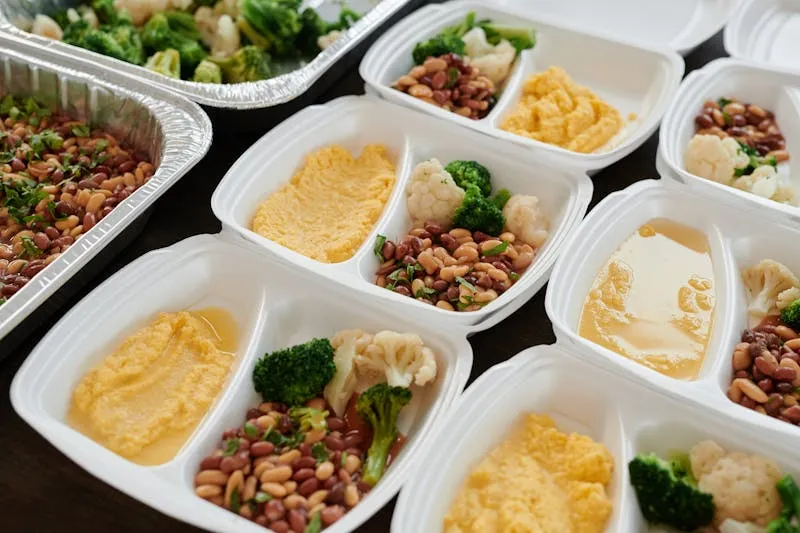
Japanese food storage is designed around two principles that Western containers often ignore: honesty about materials and respect for food presentation. Japanese containers are made from glass, enamel, or high-quality plastic — materials chosen for durability and food safety, not just low cost. And because Japanese cooking values presentation, storage containers are designed to look good on the table, not just in the fridge.
The result is food storage that serves double duty: storing leftovers in the refrigerator and presenting side dishes at the dinner table. Many Japanese households bring their storage containers directly to the table at mealtime — they’re that attractive.
We’ve outfitted our Japanese kitchen with containers from all the major brands. Here are the best options.
Best Glass: Iwaki Heat-Resistant Glass Containers
Price: ~$20-30 (set of 4-7) | Material: Borosilicate glass with snap-lock lids
Iwaki is Japan’s premier glass kitchenware manufacturer, and their food storage containers are the gold standard for Japanese home cooks. Borosilicate glass (the same material used in laboratory equipment) is non-reactive, stain-resistant, odor-proof, and oven-safe up to 400 degrees Fahrenheit.
The snap-lock lids create an airtight seal that prevents spills and keeps food fresh. The glass is clear, letting you identify contents at a glance. And because it’s glass, there are zero concerns about chemical leaching — even with hot, acidic, or oily foods.
Sizes available: From 200ml (side dish size) to 1.3L (main dish/meal prep size). A set of 4-7 in mixed sizes covers most storage needs.
Pros:
- Borosilicate glass — oven, microwave, and freezer safe
- Non-reactive — no staining, no odor absorption
- Airtight snap-lock lids
- See-through for easy identification
- Dishwasher safe (glass only; check lid material)
- Elegant enough for table presentation
Cons:
- Heavier than plastic
- Glass can break if dropped
- Lids are not always oven-safe (remove before heating)
- More expensive than plastic alternatives
Best Enamel: Noda Horo White Series
Price: ~$15-30 per container | Material: Steel with vitreous enamel coating
Noda Horo has been making enamelware in Japan since 1934, and their White Series is iconic in Japanese kitchens. The steel-core construction with vitreous enamel coating creates containers that are incredibly durable, non-reactive, and beautiful in their simplicity.
The pure white enamel makes food look appetizing — Japanese cooks often bring these containers directly from the refrigerator to the dinner table as serving dishes. The steel core distributes heat evenly, making the containers suitable for direct stovetop use (reheating soups and stews right in the container).
Available shapes: Rectangular (most popular), square, and round, in sizes from 180ml to 2L. The shallow rectangular containers are perfect for marinating, storing sliced vegetables, and organizing refrigerator shelves.
Pros:
- Stunning minimalist design
- Direct stovetop use for reheating
- Non-reactive enamel surface
- No staining or odor absorption
- Extremely durable (years of daily use)
- Doubles as table-ready serving dish
- Made in Japan
Cons:
- Not microwave-safe (metal core)
- Can chip if dropped on hard surfaces
- Individual containers are pricey ($15-30 each)
- Heavier than plastic
- White surface shows food stains before washing
Best Vacuum: Zojirushi Stainless Steel Food Jar
Price: ~$25-40 | Material: Stainless steel vacuum insulation | Capacity: 350ml-750ml
For keeping food hot (or cold) for hours, Zojirushi’s vacuum-insulated food jars are unmatched. Pour in hot soup in the morning and it’s still steaming at lunch — 6+ hours later. The same principle works for cold foods and desserts.
These food jars are the ultimate companion to Japanese bento boxes — carry your bento for room-temperature items and a Zojirushi jar for hot soup, stew, or rice. The wide-mouth opening accepts a spoon and makes filling and cleaning easy.
Pros:
- Keeps food hot for 6+ hours, cold for 8+ hours
- Wide-mouth opening for easy eating
- Stainless steel is non-reactive and durable
- Compact and portable
- Multiple sizes available
- Zojirushi quality and reliability
Cons:
- Single-compartment only
- Not microwave-safe
- Hand wash recommended (narrow interior)
- Expensive for a single container
- Heavy when full
Best Plastic: Nakaya Polypropylene Containers
Price: ~$5-10 per container | Material: PP (polypropylene) | Made in Japan
For lightweight, budget-friendly food storage, Nakaya produces simple, well-designed polypropylene containers that are a staple in Japanese households. The material is BPA-free, microwave-safe, freezer-safe, and dishwasher-safe.
What sets Nakaya apart from generic plastic containers is the precise sizing — their containers are designed to fit standard Japanese refrigerator shelves efficiently, maximizing storage space. The lids seal securely without being difficult to open.
Pros:
- Lightweight and unbreakable
- Microwave, freezer, and dishwasher safe
- BPA-free polypropylene
- Affordable
- Designed for efficient refrigerator storage
- Multiple sizes
Cons:
- Plastic can stain with tomato and curry
- Less elegant than glass or enamel
- Not suitable for oven or stovetop
- May absorb odors over time
- Less environmentally friendly than glass/enamel long-term
Best for Rice: Ohitsu (Rice Storage Container)
Price: ~$25-50 | Material: Ceramic or wood (traditional)
The ohitsu (お櫃) is a traditional Japanese container designed specifically for storing cooked rice. The material (traditionally cedar wood, now also ceramic) absorbs excess moisture while retaining warmth, keeping rice at the ideal texture — not too wet, not too dry.
Modern ceramic ohitsu are microwave-safe, making them convenient for reheating stored rice. The traditional wooden ohitsu requires more care but produces the finest rice storage results.
For Japanese rice cooker owners who cook rice daily, an ohitsu transforms leftover rice from “reheated rice” into “fresh-tasting rice.”
Pros:
- Maintains ideal rice moisture and texture
- Traditional Japanese kitchen essential
- Ceramic versions are microwave-safe
- Beautiful table presentation
- Keeps rice fresh for longer
Cons:
- Single-purpose (rice only)
- Wooden versions require careful care
- Takes up counter/shelf space
- Specialty item (not essential for most kitchens)
Organizing Your Food Storage
The Japanese Refrigerator Principle
Japanese refrigerators are typically smaller than American ones, which has produced an organizing philosophy centered on efficiency:
- Standardize container sizes — Use the same brand/line for consistent stacking and nesting
- Use rectangular containers — They maximize shelf space better than round containers
- Label with date — Use small labels or masking tape with the storage date
- Designate shelf zones — Top shelf for drinks, middle for meal prep, bottom for raw ingredients
- Use container lids as trays — Shallow Noda Horo lids serve as small trays for organizing condiments
Building a Container Set
We recommend building a set gradually around one or two brands for consistency:
Starter Set (~$40):
- 2 medium Iwaki glass containers (600-800ml)
- 2 small Iwaki glass containers (200-300ml)
- 1 Zojirushi food jar (for portable hot/cold food)
Complete Set (~$100):
- 4-piece Iwaki glass set (mixed sizes)
- 2 Noda Horo enamel containers (for stovetop-to-table use)
- 1 Zojirushi food jar
- 2 Nakaya plastic containers (lightweight, for marinating)
Frequently Asked Questions
Are Japanese glass containers really better than Pyrex?
Iwaki borosilicate glass is comparable to Pyrex in material quality. The difference is in design — Japanese containers tend to be more precisely sized for efficient storage, have better-sealing lids, and come in more practical size options. The material performance is similar.
Can Noda Horo enamel containers go in the microwave?
No. The steel core makes them incompatible with microwaves. Transfer food to a microwave-safe dish (glass or ceramic) for reheating, or use the enamel container directly on the stovetop. This is the primary trade-off of enamel containers.
How do I remove stains from enamel containers?
Fill the container with water and a tablespoon of baking soda, bring to a gentle boil on the stovetop, then let cool and wash. This removes most food stains without abrasive scrubbing that can damage the enamel surface. For stubborn stains, add a splash of white vinegar.
Which is better for meal prep — glass or plastic?
Glass is better for long-term quality: it doesn’t stain, doesn’t absorb odors, and can go from freezer to oven. Plastic is better for portability: it’s lighter and won’t break if dropped. For meal prep that stays home, glass. For meal prep that travels, consider Zojirushi vacuum containers for hot items and lightweight plastic for cold items.
Where can I buy Japanese food storage containers in the US?
Amazon carries Iwaki, Noda Horo, and Zojirushi. Japanese home goods stores (Muji, Daiso for budget options) stock Nakaya and similar brands. Specialty kitchen retailers carry Noda Horo and premium options. For the best selection, browse Japanese kitchen supply websites. If you’re outside the US, the Amazon links on our site automatically redirect to your local Amazon store — including Amazon.co.uk, Amazon.ca, and Amazon.com.au — so you can order with local shipping and pricing.