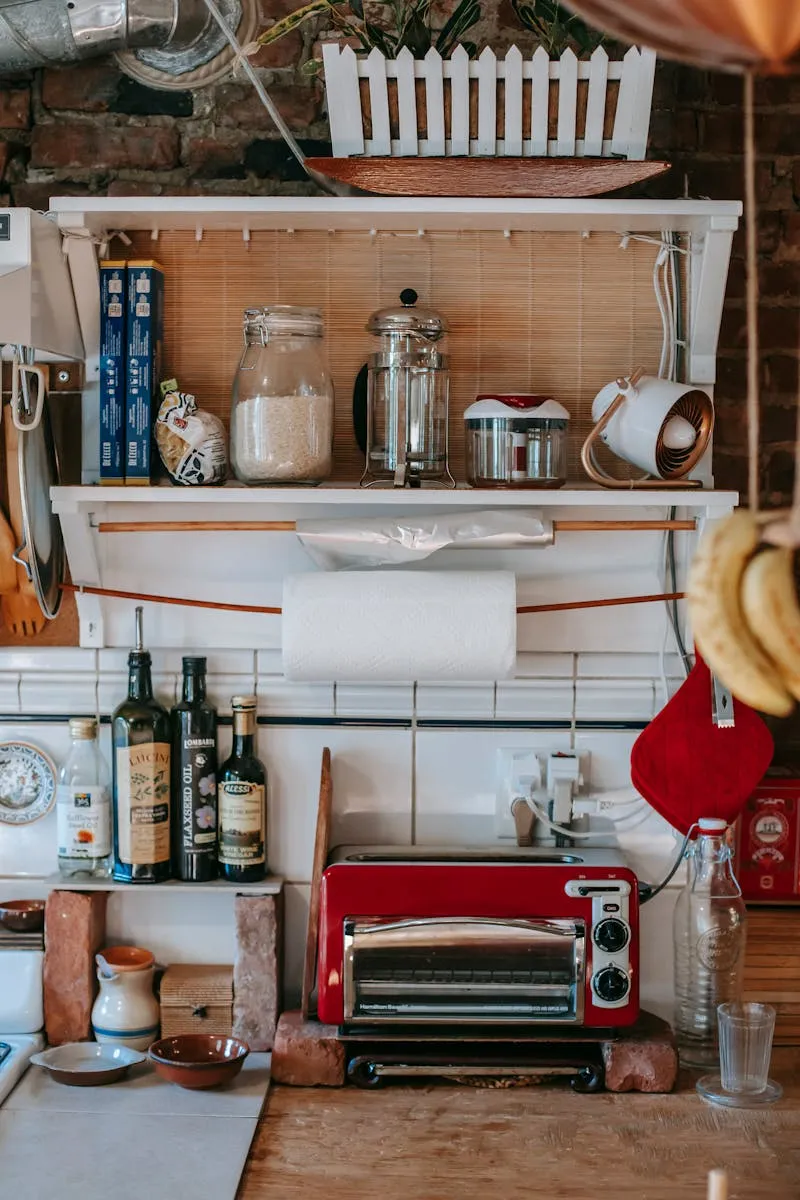
Japanese kitchen tools are renowned for their precision, durability, and thoughtful design. From razor-sharp knives to perfectly engineered rice cookers, Japanese kitchenware transforms everyday cooking. This guide covers everything you need to equip your kitchen with the best from Japan.
Living in Japan, we have access to the full range of kitchenware that most Western consumers only hear about secondhand. We have tested dozens of knives, rice cookers, bento boxes, and tea sets in our own kitchens, and we have visited the workshops in Seki and Sakai where many of these tools are forged by hand. What follows is our honest, experience-based guide to building a Japanese-equipped kitchen, whether you are starting from scratch or upgrading piece by piece.
Understanding Japanese Kitchen Culture
Japanese cooking is built on a philosophy called shokuiku (food education), which emphasizes seasonal ingredients, careful preparation, and respect for raw materials. That philosophy extends to the tools themselves. Where Western kitchen design often prioritizes versatility and brute strength, Japanese tools are purpose-built: a nakiri (vegetable knife) exists solely to cut vegetables with maximum efficiency, while a deba (fish filleting knife) is designed for nothing but breaking down whole fish.
This specialization is not about excess. It is about precision. When you use a tool that was designed for exactly one task, you waste less food, work more safely, and produce consistently better results. A Japanese mandoline, for example, slices cucumbers paper-thin in seconds, with a uniformity that would take minutes to achieve by hand. A suribachi (mortar and bowl) grinds sesame seeds into a paste with ridged grooves that a flat Western mortar simply cannot replicate.
The other defining characteristic of Japanese kitchenware is material quality. Japanese knife steel typically registers between 60 and 67 on the Rockwell hardness scale, compared to 54 to 58 for most German knives. That harder steel holds a sharper edge for longer, which means less time sharpening and more time cooking. Similarly, Japanese cast iron (tetsu, or iron) from foundries in Morioka and Yamagata is prized for its even heat distribution and decades-long lifespan.
Essential Tool Categories
Before we dive into specific product guides, it helps to understand how Japanese kitchen tools break down into categories. We organize them into five groups:
- Knives and cutting tools — the foundation of any kitchen, from all-purpose gyuto (chef’s knives) to specialty blades and shears.
- Cookware — rice cookers, cast iron pans, donabe (clay pots), and steamers.
- Utensils and prep tools — cooking chopsticks, graters, mandolines, and strainers.
- Bento and lunch gear — boxes, accessories, and food storage for packed meals.
- Tea and matcha tools — teapots, matcha bowls, whisks, and ceremony accessories.
Each category has its own logic, and we cover them individually below with links to our detailed reviews and comparisons.
Quality Differences: Japanese vs. Western Kitchen Tools
One of the most common questions we receive is whether Japanese kitchen tools are truly worth the higher price tag. After years of daily use, our answer is an unqualified yes, but the advantages vary by category.
Knives represent the starkest difference. A $60 Japanese gyuto from a reputable maker like Tojiro will outperform a $150 Western chef’s knife in edge retention, weight, and precision. The blade geometry is thinner, typically ground to 10 to 15 degrees per side versus 20 to 25 degrees for German knives, which means less resistance when cutting and cleaner slices that preserve cell structure in produce. You will notice the difference immediately when slicing a ripe tomato or mincing herbs.
Rice cookers are another area where the gap is dramatic. Japanese brands like Zojirushi and Tiger use fuzzy logic and induction heating technology that Western brands have not matched. A Zojirushi Neuro Fuzzy, priced around $180, adjusts cooking time and temperature throughout the cycle based on real-time sensor data. The result is perfectly cooked rice every time, regardless of the variety, water temperature, or altitude.
Cookware differences are more nuanced. Japanese carbon steel pans (tetsu-furai-pan) are thinner and lighter than French carbon steel, heating faster and responding more quickly to temperature changes. Japanese cast iron, particularly nambu tekki (Nambu ironware) from Iwate prefecture, is thinner-walled than Lodge or Le Creuset but distributes heat just as evenly. The tradeoff is that Japanese cast iron is more fragile if dropped, but with normal care it will last a lifetime.
Utensils often surprise newcomers the most. Japanese cooking chopsticks (around 13 inches / 33 cm long) give you far more dexterity than tongs for tasks like turning tempura, arranging garnishes, or testing doneness. Japanese graters produce a finer, more juice-retaining paste than Western box graters, which is critical for daikon, ginger, and wasabi.
Where to Buy Japanese Kitchen Tools
Living in Japan gives us direct access, but excellent options exist for US buyers as well. Here is where we recommend shopping:
- Amazon carries the widest selection of major brands like Zojirushi, Shun, Global, and Tojiro, often with Prime shipping. Prices for Japanese knives typically range from $30 to $300 depending on the maker and steel.
- JetPens stocks a curated selection of smaller kitchen items, particularly bento supplies and accessories.
- Korin (based in New York) specializes in professional-grade Japanese knives and is an authorized dealer for many top makers. Expect to pay a slight premium, but you get expert guidance and guaranteed authenticity.
- MTC Kitchen offers an excellent range of Japanese cookware, including donabe clay pots and nambu tekki ironware.
- Direct from Japan via services like Buyee or Amazon Japan can save 20 to 40 percent on certain items, though you will need to factor in international shipping (typically $15 to $40 depending on weight).
We always recommend buying from authorized dealers, especially for knives. Counterfeit Japanese knives are a growing problem on marketplace sites, and an authorized purchase ensures you receive a genuine product with proper heat treatment and edge geometry.
Japanese Knives
Choosing Your First Japanese Knife
Japanese knives are sharper, lighter, and more precise than their Western counterparts. Our Best Japanese Kitchen Knives guide covers the top picks across all styles — from versatile gyuto (chef’s knife) to specialized nakiri (vegetable knife). Pair with quality kitchen shears for a complete cutting setup.
Rice Cookers
A Japanese rice cooker isn’t just a convenience — it’s a precision instrument. Our Best Japanese Rice Cookers guide covers options from Zojirushi, Tiger, and Panasonic at every price point.
Bento & Lunch
Bento Boxes
The bento tradition is about more than packing lunch — it’s an art form. Explore our Japanese Bento Boxes guide for top picks from Zojirushi, Takenaka, and traditional lacquerware options. Complete your setup with essential lunch accessories like picks, dividers, and sauce containers.
Tea & Matcha
Tea Sets
Japanese tea ceremony aesthetics meet everyday functionality. Our Japanese Tea Sets guide covers cast iron tetsubin, ceramic kyusu, and modern glass teapots. For matcha lovers, check our Matcha Preparation Tools guide covering chasen, chawan, and more.
Essential Kitchen Tools
Beyond knives and rice cookers, Japan produces exceptional kitchen tools — from precision graters and mandolines to beautifully designed cooking chopsticks. For pantry organization, see our guide to Japanese Food Storage containers by Iwaki, Noda Horo, and Zojirushi. Don’t miss the best Japanese Chopsticks for daily dining.
Tips for Caring for Your Japanese Kitchen Tools
How to Maintain Japanese Knives
Japanese knives require a bit more care than their Western counterparts, but the payoff in performance is enormous. Here are the essentials we follow in our own kitchens:
- Hand wash only. Never put a Japanese knife in the dishwasher. The detergents are abrasive, and the jostling can chip the harder steel. Wash with warm water and a soft sponge immediately after use, then dry completely with a towel.
- Use a whetstone, not a honing rod. Japanese knife steel is too hard for a traditional honing steel and can chip. Instead, use a combination whetstone (we recommend a 1000/3000 grit) every few weeks. A quick five-minute session keeps the edge razor-sharp.
- Store on a magnetic strip or in a saya. A saya (wooden blade cover) protects the edge during storage. Avoid tossing knives in a drawer where they can knock against other utensils.
- Use the right cutting board. End-grain wood or soft rubber boards (like Hasegawa) are gentlest on Japanese edges. Avoid glass, marble, and bamboo, which dull knives quickly.
Seasoning Japanese Cast Iron
Nambu tekki and other Japanese cast iron pieces come pre-seasoned from the foundry, but building additional layers improves non-stick performance and rust resistance:
- Wash the new piece with warm water only (no soap for the interior).
- Dry completely over low heat on the stove.
- Apply a very thin layer of a neutral, high-smoke-point oil like grapeseed or flaxseed.
- Heat in the oven at 450 degrees Fahrenheit (230 degrees Celsius) for one hour, then let it cool inside the oven.
- Repeat two to three times for a solid base layer.
After each use, clean with hot water and a stiff brush, dry on the stove, and apply a light oil wipe. With consistent care, Japanese cast iron develops a beautiful black patina that becomes virtually non-stick.
Choosing Your First Pieces
If you are building a Japanese kitchen from scratch, we recommend starting with three items:
- A gyuto (chef’s knife) in the 8-inch (210 mm) size. This is the most versatile Japanese knife and handles 90 percent of kitchen tasks. Budget around $60 to $100 for an excellent entry-level option from Tojiro or Fujiwara.
- A quality rice cooker. Even if you do not eat rice daily, a Japanese rice cooker handles grains, oatmeal, and porridge better than any stovetop method. The Zojirushi Neuro Fuzzy ($180) is our go-to recommendation.
- A set of cooking chopsticks. At around $8 to $15, these are the most affordable upgrade you can make, and they will change how you interact with food on the stove.
From there, expand based on how you cook. If you make a lot of soups and stews, add a donabe (clay pot). If you pack lunches, invest in a quality bento box. If you drink tea daily, a kyusu (side-handle teapot) is a revelation.
Frequently Asked Questions
Are Japanese kitchen knives worth the investment?
Absolutely. A quality Japanese knife will stay sharper longer, cut more precisely, and make cooking more enjoyable. Even entry-level Japanese knives from makers like Tojiro and Fujiwara outperform most Western alternatives at double the price. In our experience, a $70 Japanese gyuto performs on par with a $200 German chef’s knife in edge retention and cutting feel.
What’s the best Japanese rice cooker for beginners?
The Zojirushi Neuro Fuzzy is our top recommendation for beginners. It is reliable, easy to use, and makes consistently perfect rice without any guesswork. At around $180, it is an investment, but one that pays for itself in convenience and quality. If you want to spend less, the Zojirushi NHS-06 ($30) is a simple on/off model that still outperforms most Western rice cookers.
How do I care for Japanese knives?
Hand wash only, dry immediately, and use a whetstone for sharpening. Never put Japanese knives in the dishwasher. Store them on a magnetic strip or in a saya (wooden sheath) to protect the edge. See our knife guide for detailed care instructions.
What is the difference between a gyuto and a santoku?
A gyuto (beef sword) is the Japanese equivalent of a Western chef’s knife, with a longer, more pointed blade that excels at rocking cuts and precision tip work. A santoku (three virtues) is shorter, wider, and flatter, making it better for straight-down chopping. We recommend a gyuto as a first knife for most cooks, but a santoku is a great choice if you primarily cut vegetables and prefer a more compact blade.
Can I use Japanese knives on any cutting board?
We strongly recommend end-grain wood or soft rubber boards. Japanese knife steel is harder and thinner than Western steel, which makes it more susceptible to chipping on hard surfaces like glass, marble, ceramic, or bamboo. Hasegawa rubber boards are our top pick because they are gentle on edges, easy to sanitize, and nearly indestructible.
Where should I buy Japanese kitchen tools if I live in the US?
Amazon, Korin (New York-based), and MTC Kitchen are our top recommendations. Amazon offers the widest selection and fastest shipping, while Korin and MTC Kitchen provide expert curation and guaranteed authenticity. For specialty items, importing directly from Amazon Japan through a proxy service like Buyee can save 20 to 40 percent.
Looking for a gift?
Our Japanese Kitchen Gift Guide has curated picks at every price point — from affordable chopstick sets under $20 to professional-grade knives and rice cookers — organized by category and budget so you can find the right tool for any home cook.