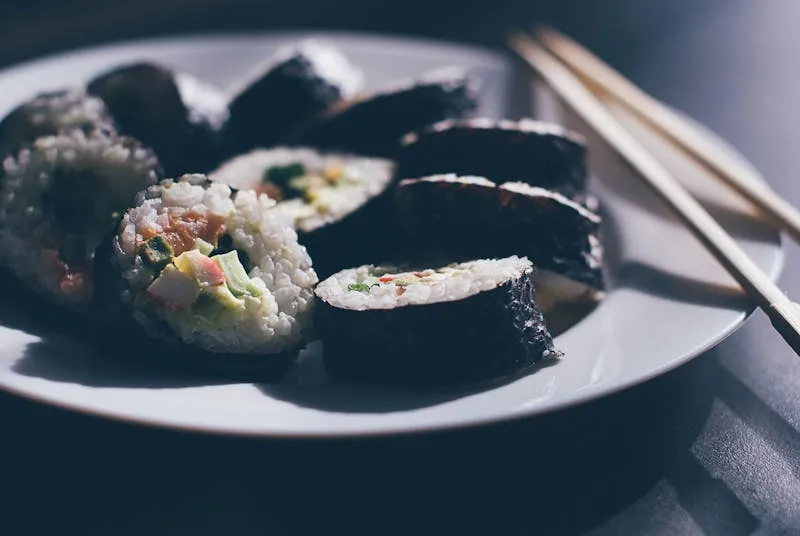
Japanese lunch culture is built on the bento box, and the bento box is surrounded by an ecosystem of clever accessories that make packed lunches practical, beautiful, and enjoyable. From silicone divider cups that keep flavors separate to tiny sauce containers shaped like animals, Japanese lunch accessories solve problems you didn’t know you had — and make the daily lunch ritual something to look forward to.
We pack lunches daily in Japan using Japanese bento boxes and these accessories. Here’s our guide to the essential additions.
Food Dividers and Cups
Silicone Bento Cups (Reusable)
Price: ~$6-10 (set of 12-18) | Material: Food-grade silicone
Silicone bento cups are the most-used accessory in our bento toolkit. These small, flexible cups sit inside your bento box compartments, holding side dishes separately. They prevent flavors from mixing (teriyaki sauce doesn’t touch your rice), keep wet foods contained, and make cleaning the bento box much easier.
Available in oval, square, round, and flower shapes. Multiple sizes fit standard bento box compartments. They’re oven-safe (for reheating), microwave-safe, dishwasher-safe, and last for years.
Pros:
- Reusable — eliminate disposable paper cups
- Prevent flavor mixing
- Easy bento box cleanup
- Microwave and dishwasher safe
- Multiple shapes and colors
- Affordable per-use cost
Cons:
- Stain with tomato-based and curry foods
- Flexible shape can shift during transport
- Need to wash separately
Baran (Leaf Dividers)
Price: ~$4 (50 pieces) | Material: Plastic (reusable) or paper
Baran are grass-shaped dividers traditionally made from bamboo leaves, now commonly produced in plastic for reuse. They separate food items aesthetically while adding visual interest — the green “leaf” between items evokes Japanese culinary presentation.
Reusable plastic baran wash and dry easily. Paper baran are disposable and compostable. Either version adds an authentic Japanese bento aesthetic.
Pros:
- Traditional Japanese presentation
- Effective food separation
- Plastic versions are reusable
- Adds visual appeal
- Very affordable
Cons:
- Paper versions are single-use
- Plastic versions can stain
- Purely aesthetic for many Western bento packers
Sauce Containers
Mini Sauce Bottles
Price: ~$5 (set of 8-10) | Capacity: 5-15ml each
Small squeeze bottles for soy sauce, dressing, teriyaki sauce, and other condiments. They keep sauces fresh and prevent them from soaking into food during transport. Each bottle holds one meal’s worth of sauce — just the right amount.
Available in cute shapes (fish, bear, bottle) and practical shapes (cylinder, squeeze drop). The fish-shaped soy sauce containers are iconic — you’ve seen them in takeout sushi.
Pros:
- Perfect portion control
- Prevents sauce from soaking food
- Reusable and washable
- Cute designs add fun
- Multiple sizes available
Cons:
- Small size requires careful filling
- Can leak if not properly sealed
- Tiny caps can be easy to lose
Bento Picks and Decorations
Food Picks (Bento Picks)
Price: ~$5 (set of 20-30) | Material: Plastic with stainless steel or plastic prongs
Decorative food picks serve dual purposes: they hold small food items (cherry tomatoes, grapes, cheese cubes) in place and add visual decoration. Designs include animals, flowers, fruits, flags, and seasonal motifs. They transform a simple bento into an Instagram-worthy presentation with zero cooking skill required.
Pros:
- Hold small foods in place during transport
- Add instant visual appeal
- Reusable (most are dishwasher-safe)
- Fun for children and adults alike
- Hundreds of design options
Cons:
- Small pieces can be a choking hazard for young children
- Accumulate quickly (collector tendency)
- Some are fragile
Nori Punch (Seaweed Cutter)
Price: ~$6-8 | Material: Plastic with metal cutting edge
Nori punches cut shapes (faces, animals, stars) out of nori seaweed sheets. Place the cut-out faces on rice balls (onigiri) for character bento (kyaraben) — the art of making bento that looks like characters or scenes.
Even for adults, a simple nori smiley face on a rice ball adds a moment of joy at lunchtime.
Pros:
- Creates instant character bento
- Easy to use (punch like a hole punch)
- Multiple design options
- Fun for making lunches for kids
- Affordable
Cons:
- Single-purpose tool
- Nori shapes can shift during transport
- Limited to nori cutting
- Some punches are flimsy
Rice Molds and Shaping Tools
Onigiri Maker (Rice Mold)
Price: ~$5-8 | Material: BPA-free plastic
Rice molds produce uniform onigiri (rice balls) in seconds without burnt fingers or unevenly shaped triangles. Press cooked rice into the mold, seal the lid, press, and release — the result is a compact, uniform triangle ready to wrap in nori. Most molds include a small plunger to push the rice out cleanly.
We use onigiri molds every week. They eliminate the skill barrier that keeps many beginners from making onigiri at home, and the uniform shape makes wrapping nori much easier than freehand forming. Triangle molds are the most common and versatile; round and cylinder molds are also available for different presentations.
A small depression in the center of the mold allows you to press fillings (pickled plum, seasoned tuna, salmon flakes) into the rice before pressing — the filling ends up centered in the finished rice ball, which is exactly what Japanese convenience stores achieve.
Pros:
- Uniform, professional results without skill
- Built-in filling pocket in most designs
- Fast — multiple onigiri in minutes
- Inexpensive and widely available
- Easy to clean
Cons:
- One more tool to store and wash
- Slightly less rustic aesthetic than hand-formed onigiri
- Limited to rice-based items
For the ideal pairing, see our Japanese bento boxes guide — triangle onigiri fit neatly into most two-tier bento boxes alongside side dishes.
Transport Accessories
Bento Wrapping Cloth (Furoshiki/Bento Bag)
Price: ~$8-15 | Material: Cotton
A small furoshiki cloth (approximately 45-50cm) wraps around your bento box, creating a carrying handle and insulating layer in one. The wrapping keeps the lid secure during transport and provides a clean surface to set your bento on when eating.
The wrapping-and-unwrapping ritual is a small daily pleasure — taking the time to untie and lay out your lunch connects you to Japanese teinei na kurashi (mindful living).
Pros:
- Reusable and washable
- Secures bento lid during transport
- Creates carrying handle
- Provides clean eating surface
- Beautiful traditional aesthetic
Cons:
- No insulation (not a thermal bag)
- Requires tying skill (simple, but there’s a learning curve)
- Not suitable for liquid-heavy bentos
Insulated Bento Bag
Price: ~$12-20 | Material: Insulated fabric
For hot or cold lunches, an insulated bento bag maintains temperature for 3-4 hours. Japanese brands like Thermos and Skater make bags sized precisely for standard bento boxes — they fit snugly without excess space.
Available in professional, discreet designs suitable for office environments and fun, character-themed designs for children.
Pros:
- Maintains temperature for hours
- Sized to fit standard bento boxes
- Professional designs available
- Compact and portable
- Washable exterior
Cons:
- Adds bulk compared to wrapping cloth
- Not as effective as vacuum-insulated containers for hot foods
- Can develop odors without regular washing
Utensil Sets
Portable Chopstick and Spoon Set
Price: ~$8-12 | Material: Wood or plastic with carrying case
A compact set containing chopsticks, a spoon, and sometimes a fork in a slim carrying case. The case fits inside your bento bag or alongside your bento box. Having personal utensils eliminates the need for disposable utensils at work or school.
Pros:
- Eco-friendly (replaces disposable utensils)
- Compact carrying case
- Usually includes chopsticks + spoon
- Multiple designs available
- Dishwasher-safe (plastic versions)
Cons:
- One more thing to remember and wash
- Cases can break if stepped on
- Chopsticks are sometimes shorter than standard for portability
Building Your Bento Accessory Kit
Starter Kit (~$25)
- Silicone bento cups (12-pack) — $8
- Mini sauce bottles (8-pack) — $5
- Bento picks (20-pack) — $5
- Bento wrapping cloth — $8
Complete Kit (~$50)
Everything above, plus:
- Insulated bento bag — $15
- Portable utensil set — $10
- Baran leaf dividers — $4
Enthusiast Kit (~$75)
Everything above, plus:
- Nori punch set — $6
- Additional silicone cup shapes — $8
- Rice mold (onigiri maker) — $6
- Premium bento box upgrade — $15
Frequently Asked Questions
Are Japanese bento accessories safe for children?
Most are designed with children in mind — food-grade materials, BPA-free plastics, rounded edges. However, small food picks can be a choking hazard for children under 3. Choose age-appropriate accessories and supervise young children with picks.
Can I microwave bento accessories?
Silicone cups are microwave-safe. Plastic baran and picks should be removed before microwaving. Sauce containers should be opened before microwaving. Always check individual product labels.
How do I prevent bento from spilling during transport?
Use silicone cups to contain wet foods, keep sauce in separate containers, wrap the bento in a cloth with the lid face-up, and pack food snugly (gaps allow shifting). An elastic bento band around the box adds extra lid security.
Are these accessories available in the US?
Amazon carries the most popular Japanese bento accessories. Specialty retailers like Bento&co, JetPens, and Japanese grocery stores (Mitsuwa, Nijiya) stock wider selections. Daiso stores carry affordable basics.
How do I clean silicone bento cups that are stained?
Soak in a baking soda and water solution (1 tablespoon per cup of water) for 30 minutes, then wash with dish soap. For stubborn stains (turmeric, tomato), place the silicone cups in direct sunlight for a few hours — UV light naturally bleaches many food stains from silicone.
How do I clean onigiri molds and nori punches?
Rinse onigiri molds immediately after use — dried rice is much harder to remove than fresh. A soft bottle brush reaches into the mold cavity where fingers don’t fit. Most onigiri molds are dishwasher-safe (top rack), but check individual product instructions. Nori punches should be wiped clean with a dry cloth or a barely damp paper towel — avoid immersing the cutting mechanism in water, which can cause rust at the metal cutting edge. Store them fully dry. A tiny drop of food-grade mineral oil on the cutting edge once a month keeps nori punches cutting cleanly.
How long do bento accessories last?
With proper care, silicone cups and plastic molds last 3-5 years before the material begins to degrade or stain permanently. Furoshiki cloths and insulated bags last much longer — 5-10 years — with regular machine washing. Reusable baran may develop micro-scratches over time that harbor odors; replace the set annually for hygiene. Food picks made from sturdy plastic last indefinitely; fragile designs may break within months. Investing in a quality insulated bento bag from a Japanese brand like Skater or Hakoya pays off in longevity compared to cheap alternatives. Our Japanese bento boxes guide includes box recommendations at every durability tier.