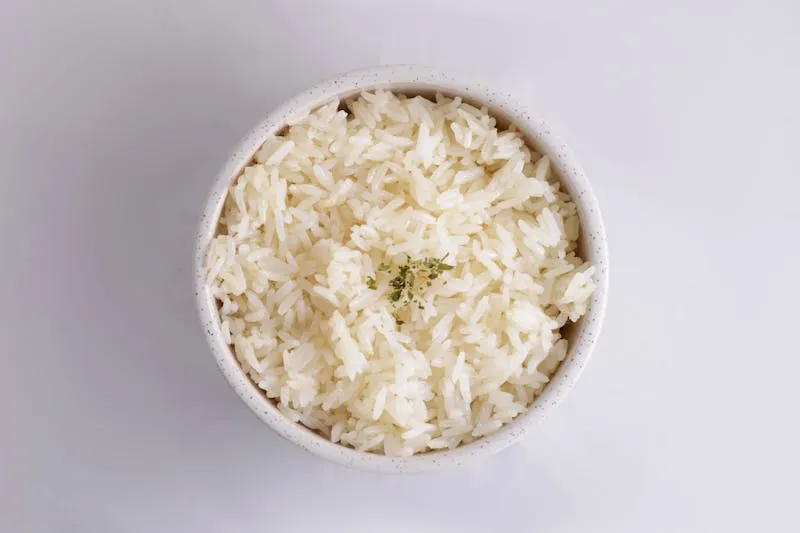
In Japan, rice is not a side dish — it’s the foundation of almost every meal. And the tool that cooks that rice is treated with the same seriousness that a French kitchen reserves for its copper pots. Japanese rice cookers are technological marvels that have been refined through decades of engineering, producing rice of a quality that stovetop cooking simply cannot match.
Living in Japan, we’ve experienced the full spectrum of Japanese rice cooker technology, from basic $30 models in student apartments to premium $500 pressure IH machines that cook rice so perfectly it needs no accompaniment. The difference between a good Japanese rice cooker and a Western “set it and forget it” model is the difference between a hand-tailored suit and something off the rack — they perform the same function, but the experience and the result are in different leagues.
This guide compares the three major Japanese rice cooker brands — Zojirushi, Tiger, and Panasonic — across different technology levels and price points. We’ll help you choose the right cooker for your kitchen, your rice preferences, and your budget.
Our Top Picks:
- Best Overall: Zojirushi NP-HCC10 Induction Heating 5.5-Cup
- Best Premium: Zojirushi NW-JEC10 Pressure IH 5.5-Cup
- Best Value: Tiger JBV-A10U 5.5-Cup (Micom)
- Best Compact: Zojirushi NS-LGC05 3-Cup (Micom)
- Best for Brown Rice: Panasonic SR-HZ106 5-Cup (Pressure IH)
Understanding Rice Cooker Technology
Japanese rice cookers use three levels of heating technology, each producing progressively better results:
Micom (Microcomputer)
Micom rice cookers use a bottom heating element controlled by a microcomputer chip that adjusts temperature throughout the cooking cycle. The computer follows pre-programmed algorithms for different rice types (white, brown, sushi, porridge), adjusting heat and timing automatically.
Micom is the entry-level technology for quality Japanese rice cookers. It produces rice that’s significantly better than basic on/off rice cookers or stovetop cooking. The computer control prevents the common problems of under-cooking, burning, or uneven texture.
Price range: $80-150 | Best for: Home cooks who want great rice without a major investment
IH (Induction Heating)
IH rice cookers use electromagnetic induction to heat the entire inner pot evenly — bottom, sides, and even the lid. This produces more uniform cooking than a bottom heating element alone, eliminating the common problem of over-cooked bottom layers and under-cooked top layers.
Induction heating is faster, more efficient, and more precise than conventional heating elements. The temperature adjustments are nearly instantaneous, giving the computer finer control over the cooking process. The result is noticeably better rice — more evenly cooked, with better texture and more developed flavor.
Price range: $150-300 | Best for: Serious home cooks who eat rice daily and want consistently excellent results
Pressure IH (Pressure Induction Heating)
Pressure IH is the pinnacle of rice cooker technology. These cookers combine induction heating with pressurized cooking, which raises the boiling point of water above 100 degrees Celsius (212 degrees Fahrenheit). The higher temperature cooks the rice under pressure, forcing moisture deeper into each grain. The result is rice with a distinct mochimochi (もちもち) texture — tender, slightly glutinous, and supremely flavorful.
Pressure IH cookers also produce the best crust (okoge) — a thin, golden-brown layer of lightly toasted rice at the bottom of the pot that’s considered a delicacy in Japanese home cooking. The combination of pressure and precise heat control creates this crust consistently and controllably.
Price range: $250-500+ | Best for: Rice enthusiasts, Japanese food purists, and anyone who wants the absolute best rice possible
1. Zojirushi NP-HCC10 Induction Heating 5.5-Cup — Best Overall
Approx. ~$285 | Rating: 4.7/5 | Best For: The ideal balance of performance, features, and value
The Zojirushi NP-HCC10 is the rice cooker we recommend most often, and it’s the one we use daily in our own kitchen. It’s an induction heating model that produces exceptional rice — evenly cooked, with a subtle sweetness and fluffy-yet-tender texture that makes plain white rice genuinely delicious on its own.
The IH system heats the entire inner pot uniformly, eliminating the hot spots that plague conventional cookers. The thick inner pot is coated with Zojirushi’s platinum-infused nonstick surface, which the company claims changes the water’s pH to help break down the surface protein of each rice grain, producing a sweeter taste. Whether the platinum coating is marketing or science, the rice tastes outstanding.
The menu options are comprehensive: white rice (regular, softer, harder), mixed rice, sushi rice, porridge, brown rice, GABA brown rice, steam, and a quick-cook setting. The keep-warm function maintains rice at serving temperature for up to 12 hours without drying it out — a feature we use daily for family members who eat at different times.
The retractable power cord, detachable inner lid (for easy cleaning), and clear LCD display reflect Zojirushi’s attention to daily-use details. The “melody” completion chime is characteristically Japanese — a gentle tune rather than a harsh beep.
Key Features
- Induction heating for even, uniform cooking
- Platinum-infused inner pot coating
- Multiple rice type and texture settings
- Extended keep-warm function (up to 12 hours)
- Retractable power cord
- Detachable inner lid for easy cleaning
- 5.5-cup uncooked capacity (10+ cups cooked)
Why It’s Our Top Pick
The NP-HCC10 hits the sweet spot between technology and price. It delivers 90% of the performance of premium pressure IH models at about 60% of the cost. The rice is consistently excellent, the features are comprehensive, and the build quality is rock-solid. We’ve used ours daily for years without a single issue.
2. Zojirushi NW-JEC10 Pressure IH 5.5-Cup — Best Premium
Approx. ~$430 | Rating: 4.8/5 | Best For: Rice purists who want the absolute best results regardless of price
The NW-JEC10 is Zojirushi’s top-of-the-line cooker for the US market, and it produces rice that borders on transcendent. The pressure IH system cooks rice under precisely controlled pressure, forcing moisture deep into each grain. The result is that coveted mochimochi texture — each grain tender and slightly chewy, with a sweetness that’s almost dessert-like.
This cooker has an AI function that learns from your cooking history and makes tiny adjustments to optimize results based on your specific rice, water conditions, and altitude. It sounds like marketing gimmickry, but after several weeks of use, we noticed that the rice had become subtly but consistently better — the AI adjustments are real.
The platinum inner pot is even more advanced than the NP-HCC10’s, with a multi-layer construction designed for optimal heat distribution. The pressure system has multiple pressure levels that the cooker selects automatically based on the menu setting. The GABA brown rice setting activates the grains’ GABA (gamma-aminobutyric acid) production by soaking at a controlled temperature before cooking — a feature that health-conscious users will appreciate.
Key Features
- Pressure IH cooking for supreme texture
- AI learning function for optimized results
- Multiple pressure levels
- Platinum multi-layer inner pot
- GABA brown rice activation
- Umami setting for enhanced flavor development
- Premium build quality throughout
Is It Worth $430?
If you eat rice daily and consider rice quality a priority, yes. The difference between IH and pressure IH rice is subtle but real — the texture is more refined, the flavor is more developed, and the consistency is more reliable. For a tool you use every day for years, the cost-per-use is remarkably low. That said, the NP-HCC10 at $285 produces excellent rice too — the premium model is for those who want the absolute best.
3. Tiger JBV-A10U 5.5-Cup (Micom) — Best Value
Approx. ~$100 | Rating: 4.5/5 | Best For: Home cooks who want quality Japanese rice cooker performance at a reasonable price
Tiger is Japan’s second-largest rice cooker manufacturer, and the JBV-A10U represents their best value proposition: quality micom technology, thoughtful features, and reliable performance at a price that’s accessible to most kitchens.
The micom (microcomputer) control adjusts heating throughout the cooking cycle, producing rice that’s significantly better than basic cookers. It’s not quite at the level of IH or pressure IH, but the improvement over stovetop or simple cookers is dramatic. Rice comes out fluffy, evenly cooked, and properly textured.
Tiger includes a “tacook” cooking plate that sits above the rice, allowing you to steam a protein or vegetable simultaneously. This is a genuinely useful feature — you can cook rice and steam fish, chicken, or vegetables at the same time, producing a complete meal from a single appliance. The steam from the rice cooks the upper dish gently, keeping it moist and flavorful.
The keep-warm function works well for moderate periods (we don’t recommend beyond 6-8 hours for optimal quality). The non-stick inner pot is durable and easy to clean. The preset timer lets you load rice and water at night and wake up to freshly cooked rice — a common practice in Japanese households.
Key Features
- Micom (microcomputer) heating control
- Synchronized cooking plate for steaming side dishes
- Multiple menu settings (white, brown, mixed, porridge, steam)
- Preset timer for delayed cooking
- Non-stick inner pot
- Compact design for smaller kitchens
- 5.5-cup uncooked capacity
Great for Beginners
The Tiger JBV-A10U is the rice cooker we recommend for anyone starting their Japanese rice journey. It produces rice that’s leagues ahead of a basic $20 cooker, includes the unique tacook simultaneous cooking feature, and costs less than half the price of an IH model. Pair it with a quality Japanese bento box for perfectly portioned rice lunches. If you’re not sure whether a premium rice cooker is worth the investment, start here — the improvement will convince you.
4. Zojirushi NS-LGC05 3-Cup (Micom) — Best Compact
Approx. ~$130 | Rating: 4.6/5 | Best For: Singles, couples, and small kitchens
Not everyone needs a 5.5-cup rice cooker. For individuals, couples, or anyone with limited counter space, the Zojirushi NS-LGC05 packs Zojirushi quality into a remarkably compact 3-cup package. It takes up roughly the footprint of a bread loaf, making it suitable for even the smallest kitchen.
Despite its small size, the NS-LGC05 includes the same micom technology, menu options, and keep-warm functions as Zojirushi’s larger models. The cooking quality is excellent for a micom cooker — consistently fluffy, well-textured rice with a subtle sweetness.
The 3-cup capacity (uncooked) produces about 6 cups of cooked rice — enough for 2-3 servings, which is perfect for a meal or two with some left over. For single-person households, you can cook a batch and have leftovers for the next day.
Key Features
- Compact 3-cup capacity
- Micom technology
- Small footprint for limited counter space
- Same menu options as larger Zojirushi models
- Retractable power cord
- Keep-warm and reheating functions
5. Panasonic SR-HZ106 5-Cup (Pressure IH) — Best for Brown Rice
Approx. ~$350 | Rating: 4.5/5 | Best For: Health-conscious cooks who regularly cook brown rice
Panasonic’s entry in the premium rice cooker market uses a unique diamond-coated inner pot and a pressure IH system tuned to excel with brown rice and multi-grain blends. Brown rice is notoriously difficult to cook well — it needs more water, longer cooking, and often comes out either too chewy or too mushy. The Panasonic’s pressure system solves this definitively, producing brown rice with a tender texture and nutty flavor that converts even brown-rice skeptics.
The cooker also excels with white rice, producing results that compete with Zojirushi’s best. But where it truly differentiates is its brown rice, GABA brown rice, and multi-grain settings, which are optimized to a degree that the other brands don’t quite match. If brown rice or mixed-grain rice is a significant part of your diet, the Panasonic is worth serious consideration.
Key Features
- Pressure IH cooking system
- Diamond-coated inner pot
- Optimized brown rice and multi-grain settings
- GABA brown rice activation mode
- 5-cup uncooked capacity
- Multiple white rice texture settings
- Keep-warm function
Rice Cooker Comparison
| Feature | Zojirushi NP-HCC10 | Zojirushi NW-JEC10 | Tiger JBV-A10U | Zojirushi NS-LGC05 | Panasonic SR-HZ106 |
|---|---|---|---|---|---|
| Technology | IH | Pressure IH | Micom | Micom | Pressure IH |
| Capacity | 5.5 cup | 5.5 cup | 5.5 cup | 3 cup | 5 cup |
| Price | $285 | $430 | $100 | $130 | $350 |
| White Rice | Excellent | Outstanding | Very Good | Excellent | Excellent |
| Brown Rice | Very Good | Excellent | Good | Very Good | Outstanding |
| Keep Warm | 12 hours | 12 hours | 8 hours | 12 hours | 12 hours |
| Special Feature | Platinum pot | AI learning | Tacook plate | Compact | Diamond pot |
Tips for Perfect Rice
Washing
Rinse rice 3-4 times in cold water until the water runs mostly clear. This removes excess starch that causes gummy, sticky rice. Don’t skip this step — it’s the single most important thing you can do for rice quality, regardless of your cooker.
Water Ratio
Use the measuring cup included with your cooker (Japanese rice cups are 180 mL, smaller than US cups). Match the water level to the corresponding line inside the pot. Adjust slightly based on preference — less water for firmer rice, more for softer.
Soaking
Let washed rice soak in the cooking water for 20-30 minutes before starting the cooker. Soaking allows the grains to absorb water evenly, producing more uniform cooking. Most modern Japanese cookers include a soaking phase in their cooking algorithm, but manual soaking still helps.
Resting
After the cooker signals completion, let the rice rest for 10-15 minutes before opening the lid. This allows residual steam to redistribute moisture evenly throughout the rice.
Fluffing
Use the included rice paddle (shamoji) to gently fold and separate the rice after resting. This releases excess steam and prevents the bottom layer from compacting. Don’t stir vigorously — fold gently from the edges toward the center.
Frequently Asked Questions
Why are Japanese rice cookers so expensive?
Japanese rice cookers cost more because they use superior heating technology (IH or pressure IH), higher-quality inner pots, more sophisticated computer controls, and better build quality. The engineering that goes into a premium Zojirushi or Tiger is genuinely advanced — these cookers have more precise temperature control than many laboratory instruments. The results justify the cost if you eat rice regularly.
Is a $300 rice cooker really worth it over a $30 one?
If you eat rice at least 3-4 times per week, yes. The difference in rice quality is dramatic and immediately noticeable — better texture, better flavor, better consistency. Over a 10-year lifespan (which these cookers easily achieve), a $300 cooker costs about 8 cents per day. For daily rice eaters, it’s one of the best kitchen investments you can make.
Zojirushi vs Tiger: which is better?
Zojirushi produces the best rice at every price point, but Tiger offers better value at the entry level. The Tiger JBV-A10U at $100 is the best budget option. For IH and pressure IH, Zojirushi’s engineering is superior. If budget allows, we recommend Zojirushi; if not, Tiger produces excellent rice at a lower price.
Do I need a pressure IH model?
For most home cooks, standard IH produces excellent rice. Pressure IH creates a noticeably different texture — more mochi-like, with a chewier bite and deeper flavor. If you’re accustomed to Japanese restaurant-quality rice and want to replicate it at home, pressure IH gets you there. If you’re upgrading from stovetop or a basic cooker, standard IH will already be a revelation.
Can Japanese rice cookers cook other grains?
Yes. Most Japanese rice cookers handle brown rice, mixed grain rice, sushi rice, and porridge natively through menu settings. Many can also steam vegetables and cook basic dishes. However, they’re specifically optimized for Japanese short-grain rice — performance with basmati, jasmine, or long-grain rice varies.
Final Verdict
A quality Japanese rice cooker is the most underrated kitchen investment for anyone who eats rice regularly. The engineering that Japanese manufacturers put into these appliances — the precise temperature control, the advanced heating systems, the thoughtful features — produces rice that’s in a completely different class from stovetop or basic cooker results.
Our top recommendation is the Zojirushi NP-HCC10 for its ideal balance of IH performance and reasonable price. For budget-conscious buyers, the Tiger JBV-A10U delivers impressive results at $100. And for those who want the absolute best rice possible, the Zojirushi NW-JEC10 pressure IH model produces rice that rivals the best restaurants in Tokyo.
Perfect rice, every time, with the push of a button. That’s the promise of a Japanese rice cooker, and these models deliver on it completely. For the rest of your kitchen setup, see our guide to essential Japanese kitchen tools. A good knife is equally important — our best Japanese kitchen knives guide covers the top options from Tojiro, Miyabi, and Shun. And if you enjoy Japanese tea with your meals, our Japanese tea sets guide is worth a look.
Check Zojirushi IH on Amazon | Check Tiger Micom on Amazon | Check Zojirushi Pressure IH on Amazon