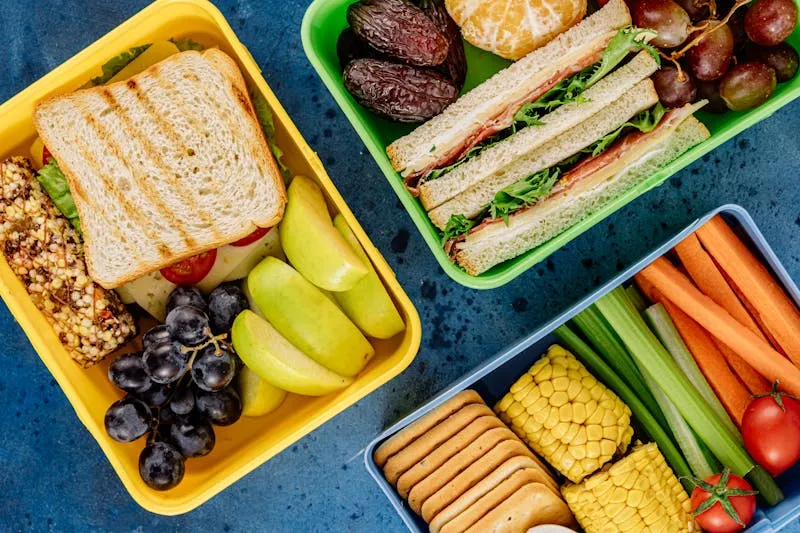
The Japanese bento box is so much more than a lunch container. It’s a centuries-old system for preparing, transporting, and presenting a balanced meal — a daily ritual that combines nutrition, aesthetics, and practicality in a way that no Western lunch box has ever quite matched. In Japan, packing a beautiful bento is a form of care and creativity, whether it’s a parent preparing a child’s school lunch or an office worker assembling their own midday meal.
Living in Japan, we’ve used bento boxes daily for years. We’ve tried everything from cheap convenience store boxes to handcrafted Wajima lacquerware that costs more than a nice dinner out. Along the way, we’ve learned what makes a great bento box, what features actually matter for daily use, and which boxes deliver the best combination of function, beauty, and value.
This guide covers the types of Japanese bento boxes available, the features that matter, and our top recommendations for different needs and budgets.
Understanding Bento Culture
A Brief History
The word bento (弁当) dates back to the late 16th century, though the practice of packing portable meals is much older. The Azuchi-Momoyama period saw elaborate lacquered bento boxes used at outdoor tea ceremonies and hanami (cherry blossom viewing) parties. During the Edo period, makunouchi bento — compartmentalized boxes with rice, pickled vegetables, fish, and side dishes — became the standard format that we still recognize today.
Modern bento culture took its current form in the 20th century, driven by the rise of commuter culture and school lunch programs. Today, millions of Japanese people pack bento boxes daily, and the ekiben (train station bento) is an iconic part of travel culture. Specialty bento shops, convenience store bento, and character-themed kyaraben (character bento) for children are all thriving aspects of contemporary Japanese food culture.
The Bento Principle
A traditional bento follows the ichiju-sansai (一汁三菜) principle of one soup, three side dishes, balanced with rice. In a packed bento without soup, this translates to a ratio of approximately:
- 50% rice or grain — the foundation of the meal
- 25% protein — fish, meat, egg, or tofu
- 25% vegetables — pickled, steamed, sauteed, or fresh
This ratio produces a naturally balanced, satisfying meal in a compact container. The compartmentalized design of a bento box supports this balance by providing separate spaces for each component.
Types of Japanese Bento Boxes
Traditional Lacquerware (Urushi-nuri)
Lacquered wooden bento boxes represent the pinnacle of bento craftsmanship. Made from cedar, cypress, or zelkova wood and coated with urushi lacquer, these boxes are beautiful objects that improve with age. The lacquer is naturally antibacterial, and the wood subtly absorbs excess moisture from rice, keeping it at the ideal texture.
Traditional lacquerware bento boxes from regions like Wajima, Yamanaka, and Aizu are handcrafted by artisans and can cost $50 to several hundred dollars. They’re not practical for everyday commuting (they require hand washing and careful handling), but for special occasions, home dining, and osechi (New Year’s food), they’re incomparable.
Best for: Special occasions, home dining, gifts, display
Magewappa (Bent Wood)
Magewappa bento boxes are made from thin sheets of cedar or cypress that are steamed, bent into oval or rectangular shapes, and secured with cherry bark stitching. This traditional craft dates back over 1,000 years and is most famously produced in Odate, Akita Prefecture.
Magewappa boxes have a warm, natural beauty and a subtle cedar fragrance that enhances the dining experience. Like lacquerware, the wood naturally regulates moisture, keeping rice perfectly textured. They’re lighter than they look and surprisingly durable.
These boxes require hand washing and should not be soaked in water. They’re not leak-proof and aren’t suitable for liquid-heavy foods. But for traditional bento with rice, grilled protein, and dry side dishes, a magewappa box elevates the experience significantly.
Best for: Traditional bento, rice-based meals, appreciation of Japanese craftsmanship
Modern Plastic Bento Boxes
Modern Japanese plastic bento boxes are the workhorses of daily bento packing. Brands like Zojirushi, Thermos, Skater, and Takenaka produce an enormous range of designs — from sleek, adult-oriented containers to elaborate character-themed boxes for children.
The best modern bento boxes feature:
- Leak-proof seals for saucy dishes and dressings
- Microwave-safe construction (remove the lid first)
- Dishwasher-safe components
- Removable dividers for customizable compartments
- Compact, stackable designs that fit in bags
- Insulated options that keep food warm or cold
Modern plastic bento boxes are the practical choice for daily commuting, school lunches, and meal prep. They’re durable, easy to clean, and available at every price point from $8 to $40.
Best for: Daily use, commuting, school lunches, meal prep
Stainless Steel Bento Boxes
Japanese stainless steel bento boxes (particularly from Zebra and Aizawa) offer durability, easy cleaning, and a clean aesthetic. Stainless steel is naturally non-reactive, doesn’t absorb odors or stains, and lasts essentially forever.
Stainless boxes aren’t microwave-safe, but they’re oven-safe (for reheating) and dishwasher-safe. They have a modern, industrial look that appeals to adults who prefer a non-plastic option. Aizawa’s stainless bento boxes, made in Tsubame-Sanjo (Japan’s metalworking capital), are particularly well-regarded for their precise construction and clean lines.
Best for: Durability, eco-conscious users, people who prefer non-plastic
Insulated/Thermal Bento Boxes
Zojirushi and Thermos make vacuum-insulated bento containers that keep food hot (or cold) for hours. These are game-changers for people who don’t have microwave access at work or school. The Mr. Bento by Zojirushi is the most famous — a cylindrical system with multiple stacked containers inside an insulated case, keeping rice hot and salad cold simultaneously.
Best for: No microwave access, hot soup/stew, keeping food at temperature
Our Recommended Bento Boxes
Best for Daily Use: Zojirushi Mr. Bento Stainless Lunch Jar
Approx. ~$45 | Rating: 4.6/5
The Zojirushi Mr. Bento is the ultimate bento system for people who want a hot, multi-course lunch without microwave access. The vacuum-insulated outer case contains four stacking containers: a large rice bowl, a soup container (leak-proof), a main dish container, and a side dish container. The insulation keeps rice and soup hot for 6+ hours.
The Mr. Bento is larger than a typical bento box — it’s a cylinder about the size of a large thermos. It’s not the most portable option, but it carries an impressive amount of food while keeping everything at the right temperature. The containers are microwave and dishwasher-safe (remove them from the insulated case first).
For office workers, students, and anyone who wants a warm, complete meal without reheating, the Mr. Bento is unbeatable.
Key Features
- Vacuum-insulated outer case keeps food hot/cold for 6+ hours
- Four stackable inner containers (soup, rice, main, side)
- Leak-proof soup container
- Microwave and dishwasher-safe inner containers
- Carrying bag included
- Available in multiple colors
Best Compact Design: Takenaka Bento Box
Approx. ~$28 | Rating: 4.4/5
Takenaka produces beautifully designed, compact bento boxes that look as good on your desk as they do in your bag. The double-layer design stacks two compartments with a shared elastic band closure, providing generous capacity in a slim footprint. The upper tier nests inside the lower tier when empty, reducing the box to half its height for carrying home.
The aesthetic is modern and minimalist — clean lines, matte finishes, and a palette of sophisticated colors. Takenaka boxes are a favorite in the design-conscious bento community for their combination of form and function. They include an internal divider and a chopstick holder in the band.
Key Features
- Two-tier stackable design
- Compact nested storage when empty
- Built-in chopstick band
- Removable dividers
- Microwave-safe (without lid)
- Elegant, design-forward aesthetic
Best Traditional: Magewappa Cedar Bento Box
Approx. ~$35 | Rating: 4.5/5
For those who want to experience the beauty and craftsmanship of traditional Japanese bento, a cedar magewappa box is transformative. The natural wood grain, subtle cedar aroma, and warm-to-the-touch surface make every lunch feel like a special occasion. The cedar naturally absorbs excess moisture from rice, keeping it at the perfect texture — a benefit that plastic boxes simply can’t replicate.
This is not a box for microwave reheating, dishwasher cleaning, or liquid-heavy meals. It’s for people who appreciate traditional craftsmanship and are willing to hand wash and air dry their bento box. The payoff is a daily aesthetic experience that mass-produced plastic can’t match.
Key Features
- Natural cedar construction with cherry bark stitching
- Moisture-regulating properties keep rice perfect
- Beautiful natural grain and cedar aroma
- Lightweight despite solid wood construction
- Traditional Japanese craftsmanship
- Hand wash only — no microwave or dishwasher
Essential Bento Accessories
A great bento box is just the beginning. These accessories elevate your bento game:
Bento Dividers (Baran)
Traditional baran are the decorative plastic grass dividers you see in sushi trays. Modern bento dividers include silicone cups, lettuce-shaped dividers, and reusable silicone baran. They separate flavors, prevent foods from touching, and add visual appeal.
Sauce Containers (Tare-bin)
Tiny bottles and containers for soy sauce, dressing, and condiments. Essential for keeping sauces separate until eating time. Look for leak-proof designs with tight-fitting caps.
Bento Picks (Pikunikku)
Miniature food picks in shapes like flags, animals, and flowers. They serve a practical purpose (holding small items together) and an aesthetic one (adding color and personality to the bento presentation). For a deeper dive into picks, dividers, and bags, see our Japanese lunch accessories guide.
Bento Wrapping Cloth (Furoshiki)
A traditional Japanese wrapping cloth that doubles as a placemat. Wrapping your bento in a furoshiki keeps the lid secure during transport and provides a clean surface for eating. It’s more elegant (and more eco-friendly) than a plastic bag.
Compact Chopsticks
Folding or telescoping chopsticks that fit in a bento bag or strap. Many bento boxes include a chopstick holder, but a quality pair of portable chopsticks is worth having separately. For help choosing the right pair, see our best Japanese chopsticks guide.
Bento Packing Tips
The 50-25-25 Rule
Fill your bento with approximately 50% rice or grain, 25% protein, and 25% vegetables. This ratio produces a balanced, satisfying meal that doesn’t rely on any single component.
Pack Tightly
In Japanese bento culture, the box should be full — no empty spaces. Pack food snugly so items don’t shift during transport. Use small items (cherry tomatoes, edamame, pickles) to fill gaps. This isn’t about overeating — the box size should match your appetite, and then you fill it completely.
Cool Food Before Packing
Always cool hot food before sealing the bento lid. Trapped steam creates condensation that makes rice soggy and encourages bacterial growth. Cook in the morning (or reheat last night’s leftovers), spread food on a plate to cool, then pack and seal.
Separate Wet and Dry
Use dividers, silicone cups, or lettuce leaves to keep wet foods (pickles, sauced items) away from dry foods (rice, bread, crackers). This prevents flavor transfer and textural mushiness.
Add Color
The Japanese concept of go-shoku (five colors) suggests that a beautiful and nutritious meal contains red, yellow, green, black/brown, and white. Cherry tomatoes (red), egg (yellow), broccoli (green), nori (black), and rice (white) cover all five with common bento ingredients.
Frequently Asked Questions
How big should a bento box be?
Bento box capacity is measured in milliliters (mL). As a general guide: 500-600 mL for children, 600-800 mL for women and light eaters, 800-1000 mL for men and larger appetites. A single-tier 750 mL box is a good starting size for most adults. You can always adjust to a larger or smaller box based on your needs.
Do I need to wake up early to pack a bento?
Not necessarily. Many experienced bento packers prepare components the night before (cook extra at dinner, prep side dishes in batches) and simply assemble the bento in the morning. With practice, morning assembly takes 10-15 minutes. Batch-cooking on weekends — making a week’s worth of side dishes — is another efficient strategy.
Are Japanese bento boxes microwave-safe?
Most modern plastic bento boxes are microwave-safe without the lid (always remove the lid before microwaving). Wooden, lacquered, and stainless steel bento boxes are not microwave-safe. Insulated bento systems like the Zojirushi Mr. Bento keep food hot without a microwave, making them ideal for workplaces without kitchen facilities.
How do I keep bento food safe in warm weather?
Japanese bento culture has several strategies for warm weather: include umeboshi (pickled plum) which has natural antibacterial properties, use vinegared rice (su-meshi) which resists bacterial growth, add an ice pack to your bento bag, and always cool food completely before sealing. In very hot weather, an insulated bento bag with a gel ice pack is essential.
What’s the difference between bento boxes and regular meal prep containers?
Philosophy and design. Western meal prep containers are designed for efficiency — storing large quantities in the fridge and reheating portions. Japanese bento boxes are designed for presentation and portability — creating a complete, attractive, single-serving meal that’s ready to eat at room temperature or with minimal reheating. The compartmentalized design encourages variety and balance.
Can I wash a wooden bento box in the dishwasher?
No. Wooden and lacquered bento boxes must be hand washed with warm water and a soft sponge, then air dried thoroughly before storing. Dishwashers will crack the wood, strip the lacquer, and destroy the box. This is non-negotiable — hand washing only.
Final Thoughts
The Japanese bento box is a simple concept executed with extraordinary care and thoughtfulness — a portable meal that nourishes the body, pleases the eye, and respects the daily ritual of eating. Whether you choose a traditional magewappa box for its craftsmanship, a modern Zojirushi for its thermal technology, or a sleek Takenaka for its design sensibility, the act of packing a bento brings mindfulness and intention to a part of the day that’s often rushed and overlooked.
If you batch-cook and store bento ingredients ahead of time, our Japanese food storage guide covers the best glass, enamel, and vacuum containers for meal prep. A quality rice cooker is essential for bento prep — see our best Japanese rice cookers guide for the top options from Zojirushi and Tiger. Start simple: buy a quality bento box, pack rice, one protein, and two vegetables. Follow the 50-25-25 ratio and the five-color principle. Within a week, you’ll find that bento packing becomes a satisfying morning routine rather than a chore — and that a carefully prepared bento makes the midday meal something to genuinely look forward to.
Check Zojirushi Mr. Bento on Amazon | Check Takenaka Bento Box on Amazon | Check Magewappa Bento on Amazon