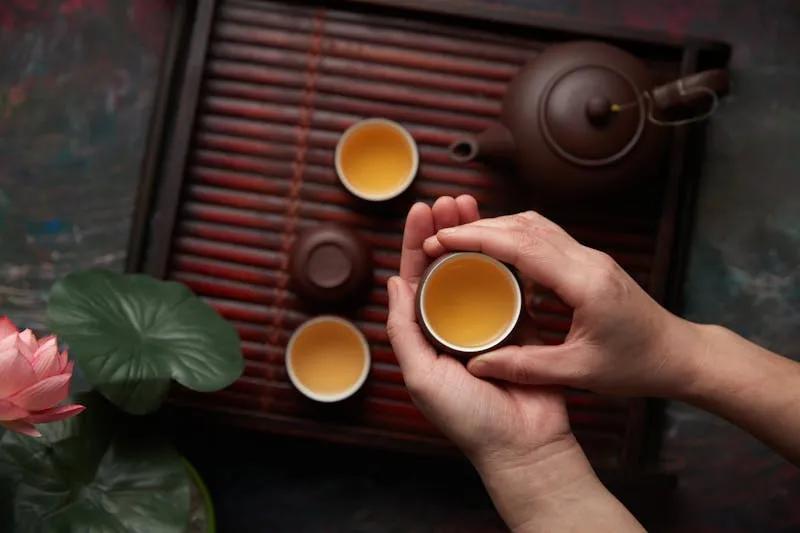
Japanese tea is not just a beverage — it’s a cultural practice that spans seven centuries, from the formal rituals of chado (the way of tea) to the quiet, everyday comfort of a steaming cup of sencha at home. And the vessels you use to prepare and drink Japanese tea are as important as the tea itself. A proper kyusu (teapot) extracts flavors that a generic teapot misses. A handmade chawan (tea bowl) transforms matcha preparation from a recipe into a ceremony.
Living in Japan, we drink Japanese tea daily — matcha in the morning, sencha after lunch, hojicha in the evening. We’ve accumulated a collection of teaware from pottery studios across the country: Tokoname kyusu, Hasami porcelain cups, Mino-yaki chawan, and bamboo chasen from Takayama. Each piece enhances the experience of the tea it serves.
This guide covers everything you need to know about Japanese tea sets — the essential pieces, the regional pottery traditions, how to choose the right teaware for your tea type, and our recommendations for building your own collection.
Essential Japanese Tea Set Components
For Matcha
Matcha (maccha, 抹茶) is powdered green tea whisked with hot water to create a frothy, vibrant beverage. The preparation requires specific tools:
Chawan (Tea Bowl) The chawan is the wide, bowl-shaped vessel in which matcha is whisked and drunk. Chawan are typically 4-5 inches (10-12 cm) in diameter and 3-4 inches (7-10 cm) tall, with a wide mouth that provides space for whisking and a thick wall that retains heat.
Chawan are among the most prized objects in Japanese ceramic art. Each chawan has a kao (face) — a front side determined by the potter that often features the most interesting glaze pattern. Tea ceremony etiquette dictates rotating the bowl to avoid drinking from the face, a gesture of humility before the potter’s art.
Materials range from rustic, unglazed stoneware (Raku-yaki) to refined porcelain (Kyo-yaki). For daily matcha drinking, a medium-weight stoneware chawan with a stable base and comfortable lip is ideal.
Chasen (Bamboo Whisk) The chasen is a bamboo whisk hand-carved from a single piece of bamboo. The tines (typically 80 or 100) are thin, flexible prongs that whisk matcha powder into hot water, creating the smooth, frothy consistency that defines properly prepared matcha.
Chasen are made in Takayama, Nara Prefecture — a town that has produced bamboo tea whisks for over 500 years. Each chasen is hand-carved by an artisan, and the quality difference between a handmade Takayama chasen and a machine-made import is significant. Handmade tines are more flexible, more evenly shaped, and produce a finer froth.
A chasen is a consumable tool — the tines gradually wear and break with use. A quality chasen lasts approximately 6-12 months of daily use before replacement. Proper care (rinsing immediately after use, air drying upright on a kusenaoshi whisk stand, never submerging in water) extends its life significantly.
Chashaku (Bamboo Scoop) The chashaku is a slender bamboo scoop used to measure matcha powder. One heaping chashaku scoop equals approximately 1-2 grams of matcha — the standard amount for a single serving (usucha, thin tea). The narrow, curved shape lifts matcha from the tin and delivers it to the chawan without spilling.
Chakin (Linen Cloth) A small white linen cloth used to wipe the chawan clean during and after the tea ceremony. For home use, a clean kitchen cloth serves the same purpose.
Natsume (Tea Caddy) A lacquered container for storing matcha powder. Traditional natsume are small, cylindrical, and beautifully lacquered. For home use, any airtight container that blocks light and moisture works — matcha degrades rapidly when exposed to air, light, or humidity.
For Sencha and Other Leaf Teas
Kyusu (Teapot) The kyusu is the Japanese teapot, and it’s the single most important piece of tea equipment for leaf tea. Unlike Western teapots, Japanese kyusu are small (typically 200-350 mL / 7-12 oz), designed to brew just 2-3 small cups at a time. This concentrated approach allows precise control over steeping time and temperature, producing tea of optimum flavor.
The most distinctive feature of a traditional kyusu is the side handle (yokode), which extends perpendicular to the spout. This handle design allows you to pour with a single hand while keeping your wrist in a natural, relaxed position. It’s ergonomically superior to a back handle for the small, frequent pours that Japanese tea service requires.
The best kyusu are made from shudei (vermillion clay) from Tokoname, Aichi Prefecture. This unglazed clay is naturally rich in iron oxide, which interacts with tea tannins to soften bitterness and bring out umami. Over time, a well-used Tokoname kyusu develops a patina and absorbs the essence of the tea brewed in it — much like a well-seasoned cast iron pan. A Tokoname kyusu that’s been used for decades produces noticeably better tea than a new one.
Yunomi (Tea Cups) Yunomi are cylindrical, handle-less tea cups used for everyday tea drinking. They’re taller and narrower than Western tea cups, typically holding 100-150 mL (3-5 oz). The handle-less design encourages you to cup the vessel in both hands — a gesture that connects you to the warmth of the tea and creates a moment of mindfulness.
Yunomi come in an enormous range of styles, from rustic stoneware to elegant porcelain. For daily use, stoneware yunomi with a comfortable lip and stable base are the most practical. Many tea enthusiasts collect yunomi from different pottery regions, enjoying how each clay and glaze changes the drinking experience.
Yuzamashi (Cooling Vessel) A yuzamashi is a small pitcher used to cool boiled water to the optimal temperature before pouring it over tea leaves. Premium sencha should be brewed at 70-80 degrees Celsius (158-176 degrees Fahrenheit) — significantly below boiling. Pouring water from the kettle into a yuzamashi lowers the temperature by about 10 degrees Celsius, and pouring from the yuzamashi into the kyusu lowers it another 10 degrees.
This temperature control is critical. Brewing sencha with boiling water extracts excessive tannins and catechins, producing a bitter, astringent cup. Properly cooled water extracts the amino acids (especially theanine) that give premium sencha its characteristic umami sweetness and round body.
Regional Pottery Traditions
Japan’s tea ware comes from distinct pottery regions, each with its own clay, glazes, and aesthetic:
Tokoname (Aichi Prefecture)
Known for: Shudei (vermillion unglazed clay) kyusu teapots. The iron-rich clay naturally enhances tea flavor. Tokoname kyusu are the gold standard for Japanese tea brewing.
Hasami (Nagasaki Prefecture)
Known for: Clean, modern porcelain in approachable designs. Hasami porcelain is thinner, lighter, and more contemporary-looking than traditional stoneware. Excellent for yunomi and everyday tea cups.
Mino (Gifu Prefecture)
Known for: Diverse glazing traditions including Oribe (green copper glaze), Shino (white feldspathic glaze), and Kizeto (yellow glaze). Mino produces beautiful chawan and yunomi with rich, varied surfaces.
Arita/Imari (Saga Prefecture)
Known for: Fine porcelain with elaborate painted designs. Arita-yaki is Japan’s most famous porcelain tradition, producing tea ware with intricate blue-and-white or multicolor overglaze decoration.
Bizen (Okayama Prefecture)
Known for: Unglazed, wood-fired stoneware with unique natural ash glaze effects. Every piece is one-of-a-kind. Bizen-yaki tea ware has a rustic, earthy quality that embodies wabi-sabi.
Building Your Japanese Tea Set
Matcha Starter Set ($40-60)
Everything you need to prepare matcha at home:
- Chawan (matcha bowl) — A mid-size stoneware bowl, approximately $15-25
- Chasen (bamboo whisk) — 80-tine, preferably Takayama-made, approximately $15-20
- Chashaku (bamboo scoop) — approximately $5-8
- Matcha powder — Start with a 30g tin of ceremonial-grade matcha from Uji or Nishio, approximately $15-25
This starter set lets you prepare proper matcha at home. For detailed guidance on selecting and using each tool, see our matcha preparation tools guide. The initial investment is modest, and the daily practice of whisking matcha becomes a meditative morning ritual.
Sencha Brewing Set ($35-55)
Everything you need for properly brewed Japanese leaf tea:
- Kyusu (teapot) — A Tokoname or ceramic kyusu, 300 mL, approximately $20-35
- Yunomi (tea cups) — A pair of stoneware or porcelain cups, approximately $10-15
- Sencha tea — Start with a quality fukamushi (deep-steamed) sencha, approximately $10-15
A proper kyusu makes an immediate, noticeable difference in sencha quality. The built-in strainer allows leaves to expand fully, and the precise pour control lets you stop the steep at exactly the right moment. Pair your tea set with quality Japanese chopsticks for a complete Japanese dining experience.
How to Prepare Matcha
Usucha (Thin Tea) — The Standard Daily Preparation
- Heat water to 80 degrees Celsius (176 degrees Fahrenheit). Use a thermometer or let boiled water cool for 2-3 minutes.
- Pre-warm the chawan by pouring hot water into the bowl, swirling, and discarding.
- Sift 1.5-2g of matcha (about 1.5 chashaku scoops) through a fine mesh strainer into the chawan. Sifting prevents clumps.
- Add 70-80 mL (about 2.5 oz) of hot water.
- Whisk vigorously with the chasen using a rapid W-shaped motion (not circular). The goal is a smooth, uniform froth with tiny bubbles covering the surface.
- Drink directly from the chawan. No straining needed — matcha is consumed whole.
The entire process takes about 2 minutes and produces a vibrant, frothy cup with a rich umami flavor and a slight pleasant bitterness. The caffeine and L-theanine in matcha create a calm, focused alertness that’s distinctly different from coffee — a sustained energy without jitters.
How to Brew Sencha Properly
The Kyusu Method
- Heat water to 70-80 degrees Celsius (158-176 degrees Fahrenheit). For premium sencha, lower is better — 70 degrees brings out maximum sweetness.
- Measure tea leaves: 5-6g (about 2 teaspoons) per 200 mL of water.
- Place leaves in the kyusu.
- Pour water over the leaves and steep for 60-90 seconds. Don’t stir — let the leaves unfurl naturally.
- Pour into yunomi, alternating between cups to distribute the tea evenly. Pour until the last drop — the final drops are the most concentrated and flavorful.
- Second and third steeps: Add hotter water (85-90 degrees Celsius) and steep for a shorter time (30-45 seconds). Good sencha yields 2-3 delicious steeps, each with a different character.
The first steep is sweet, umami-rich, and mellow. The second steep is brighter and more vegetal. The third steep is light and clean. Experiencing this progression across multiple steeps is one of the unique pleasures of Japanese tea.
Caring for Your Tea Ware
Kyusu
- Rinse with hot water after each use — no soap
- Allow to air dry completely before storing
- Never put unglazed clay kyusu in the dishwasher
- Over time, the clay will develop a patina — this is desirable and enhances tea flavor
Chasen (Bamboo Whisk)
- Rinse under running water immediately after each use
- Never soak or submerge in water
- Stand upright on a kusenaoshi (whisk stand) to maintain tine shape
- Replace when tines start to break (every 6-12 months with daily use)
Chawan
- Hand wash with water and a soft sponge
- Unglazed or partially glazed chawan may absorb tea stains — this is normal and considered beautiful (tea patina)
- Dry thoroughly before storing
- Glazed porcelain chawan can be washed normally
Yunomi
- Most glazed yunomi are dishwasher-safe, but hand washing preserves the surface longer
- Unglazed stoneware yunomi should be hand washed
- Tea staining on the interior is natural and harmless
Frequently Asked Questions
Do I need a special tea set to drink Japanese tea?
You don’t need one — you can brew sencha in any teapot and drink matcha from any bowl. But proper Japanese tea ware genuinely improves the experience. A kyusu’s built-in strainer and precise pour produce better-tasting tea. A chasen creates a froth that a fork or regular whisk can’t match. And the mindful ritual of using beautiful, purpose-made tools transforms tea-drinking from hydration into a daily ceremony.
What’s the difference between ceremonial and culinary grade matcha?
Ceremonial-grade matcha is made from the youngest, most tender tea leaves, stone-ground to an ultra-fine powder. It’s meant to be whisked with water and drunk straight — the flavor is sweet, complex, and smooth. Culinary-grade matcha uses older leaves and is ground less finely. It’s meant for cooking and baking — lattes, smoothies, ice cream, baked goods. Never use culinary-grade matcha for straight drinking; it’s too bitter and lacks the complexity of ceremonial grade.
How long does a bamboo chasen last?
With daily use and proper care, a quality handmade chasen lasts 6-12 months. The tines gradually thin and break with use — this is normal and expected. Some tea practitioners view a well-worn chasen as beautiful in its imperfection. When the whisk can no longer produce a good froth (usually when a third of the tines have broken), it’s time to replace it.
Can I use a Tokoname kyusu for different types of tea?
Traditionally, one kyusu is dedicated to one type of tea. Since unglazed clay absorbs the essence of the tea brewed in it, mixing teas can muddy the flavor. If you drink multiple types of Japanese tea, consider a dedicated kyusu for your primary tea and a glazed porcelain kyusu for variety teas. In practice, most home tea drinkers use a single kyusu for all Japanese green teas without noticeable problems.
What temperature should water be for Japanese tea?
It depends on the tea type: matcha at 80 degrees Celsius (176 degrees Fahrenheit), premium sencha at 70-75 degrees Celsius (158-167 degrees Fahrenheit), standard sencha at 80 degrees Celsius, gyokuro at 60 degrees Celsius (140 degrees Fahrenheit), and hojicha or genmaicha at 90-100 degrees Celsius (194-212 degrees Fahrenheit). The general rule: higher-quality, more delicate teas need lower temperatures to avoid extracting bitter tannins.
Where can I buy authentic Japanese tea ware?
Amazon carries a decent selection of Japanese tea sets from major brands. For more authentic and artisan pieces, try Tokoname.or.jp for kyusu, Hibiki-an for tea and tea ware, and Japanese pottery shops on Etsy. If you ever visit Japan, pottery regions like Tokoname, Hasami, and Mino have retail shops where you can buy directly from makers at excellent prices. For ideas on storing your tea accessories and snacks, our Japanese food storage guide covers the best containers.
Final Thoughts
Japanese tea ware embodies the same principles that make Japanese stationery and craft tools exceptional: thoughtful design, premium materials, artisan craftsmanship, and a deep respect for the daily rituals that structure our lives. A beautiful kyusu, a handmade chawan, a freshly carved chasen — these are not luxuries. They’re tools that transform a mundane daily habit into a moment of beauty and mindfulness.
If you’re building a complete Japanese kitchen alongside your tea setup, our essential Japanese kitchen tools guide covers mandolines, graters, and more. Start with whichever tea tradition calls to you — a matcha set for morning energy, or a kyusu and yunomi for afternoon sencha. Use them daily. Let them become part of your rhythm. Before long, you’ll understand why Japanese tea culture has endured for centuries — and why the vessels matter as much as the tea.