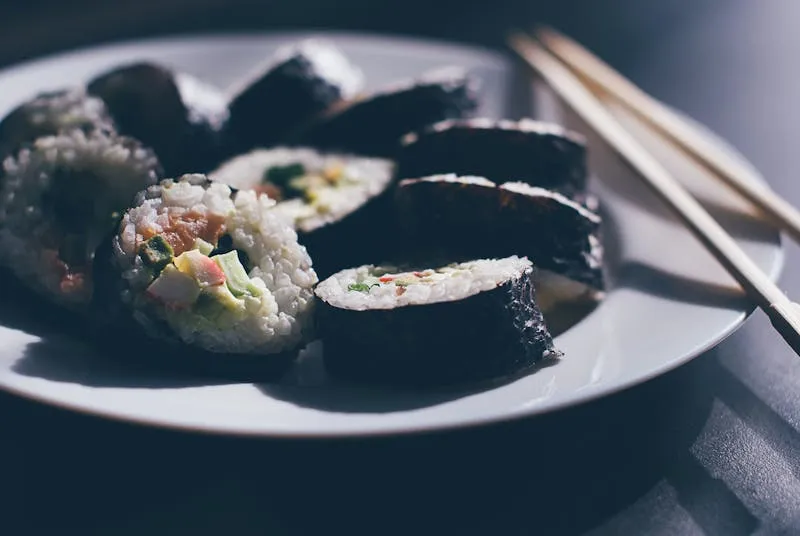
In Japan, chopsticks — hashi (箸) — are as personal as a favorite pen. Most Japanese adults own a personal pair that they use daily, washed and reused indefinitely. Quality Japanese chopsticks are balanced, tapered to a precise tip, and made from materials that enhance the dining experience. The difference between good chopsticks and disposable waribashi (割り箸, split chopsticks) is as significant as the difference between a quality Pilot pen and a disposable stick pen.
Living in Japan, we’ve eaten thousands of meals with different chopstick types — from Wajima lacquer heirloom sets to everyday Fukui-made wood pairs. Here are our recommendations for every need and budget.
Best Everyday: Fukui Craft Wooden Chopsticks
Price: ~$8-12 | Material: Natural wood (cherry, maple, or chestnut) | Length: 23cm (men’s) / 21cm (women’s)
Fukui Prefecture produces over 80% of Japan’s chopsticks, and their craft-grade wooden chopsticks represent the best balance of quality, comfort, and value. The natural wood provides a warm, tactile grip that plastic and metal can’t match. The tips are tapered to a precise point that handles everything from single grains of rice to slippery noodles.
The wood is treated with food-safe finish (typically lacquer or natural oil) that protects against moisture without adding a slippery surface. Choose your wood based on preference:
- Cherry (sakura) — Light color, moderate weight, smooth grain
- Chestnut (kuri) — Darker color, slightly heavier, durable
- Maple (kaede) — Light color, lightweight, affordable
- Ironwood (tetsuboku) — Dense, heavy, extremely durable
Pros:
- Warm, comfortable natural wood feel
- Precise tip for all food types
- Food-safe finish
- Attractive natural grain
- Sustainable material
Cons:
- Not dishwasher-safe (hand wash only)
- Finish can wear over years of use (refinish with food-safe oil)
- Wood can warp if soaked in water
Best Premium: Wajima Lacquer Chopsticks
Price: ~$30-80 | Material: Wood core with urushi lacquer | Origin: Wajima, Ishikawa Prefecture
Wajima lacquer (Wajima-nuri) is one of Japan’s most prestigious craft traditions, and Wajima lacquer chopsticks are functional art objects. Multiple layers of urushi (natural lacquer) are applied and polished by hand, creating a surface that’s simultaneously beautiful, durable, and naturally antimicrobial.
The lacquer surface is smooth but not slippery — urushi has a unique grip quality that plastic lacquer imitations can’t replicate. The color deepens and develops more luster with years of use, similar to the patina on Midori Brass products.
Wajima chopsticks are investment pieces — they last decades with proper care, and many Japanese families pass them down as heirlooms. They make exceptional gifts for food-loving friends and family.
Pros:
- Exquisite craftsmanship
- Naturally antimicrobial urushi lacquer
- Develops deeper beauty with use
- Extremely durable (decades of daily use)
- Functional heirloom
- Gift-worthy presentation
Cons:
- Expensive ($30-80)
- Hand wash only (never dishwasher)
- Urushi can cause allergic reactions in rare cases (during curing only)
- Requires more careful handling than everyday chopsticks
Best for Beginners: Edison Training Chopsticks (Adults)
Price: ~$10 | Material: Plastic with finger guides | Length: Adjustable
If you’re learning to use chopsticks, Edison (a Japanese brand despite the Western name) makes training chopsticks with finger rings and a connecting bridge. These guides teach proper finger placement and movement patterns. The adult version is sized for adult hands and doesn’t look childish.
Use training chopsticks for 2-4 weeks while eating at home. Once the finger movements feel natural, switch to standard chopsticks. Most people achieve comfortable chopstick use within a month.
Pros:
- Effective finger placement training
- Adult-appropriate sizing
- Comfortable finger rings
- Makes learning painless
- Affordable
Cons:
- Not suitable for regular use once you’ve learned
- Plastic construction
- Look unusual at restaurants
- Connecting bridge limits advanced techniques
Best Metal: Titanium Chopsticks
Price: ~$25-35 | Material: Titanium | Length: 23cm
Titanium chopsticks are the modern alternative to traditional wood. They’re virtually indestructible, dishwasher-safe, completely hygienic, and lightweight despite their metallic construction. The tips can be textured for grip, solving the slipperiness problem that other metal chopsticks face.
For people who want low-maintenance, long-lasting chopsticks without the care requirements of wood or lacquer, titanium is the practical choice. They’re also popular for camping and travel because they can’t break, warp, or absorb odors.
Pros:
- Virtually indestructible
- Dishwasher-safe
- Hygienic and easy to clean
- Lightweight for metal
- No maintenance required
- Ideal for travel and camping
Cons:
- Lack the warmth and tradition of wood
- Can feel clinical compared to natural materials
- Metal transfers heat (hot foods can make tips warm)
- No patina or aging character
Best for Cooking: Long Saibashi (Cooking Chopsticks)
Price: ~$8-12 | Material: Bamboo or wood | Length: 30-33cm
Cooking chopsticks (saibashi / 菜箸) are longer than eating chopsticks, keeping your hands away from heat while providing precise control. Japanese home cooks use them for stirring, flipping, plating, and testing food doneness. They’re more precise than tongs and more versatile than spatulas.
Quality saibashi are made from heat-resistant bamboo or wood with connected tips (tied or jointed at the top) to prevent separation during cooking. For a complete look at cooking chopsticks and other utensils, see our essential Japanese kitchen tools guide.
Pros:
- Essential for Japanese cooking
- Keeps hands away from heat
- More precise than tongs
- Affordable
- Natural bamboo/wood construction
Cons:
- Too long for eating
- Can scorch at high temperatures
- Hand wash only
- Tips can split with heavy use
Chopstick Rests (Hashioki)
Chopstick rests — hashioki (箸置き) — are small ceramic or wooden stands that hold your chopsticks when not in use. In Japanese dining, placing chopsticks across the bowl is considered impolite; using a hashioki demonstrates proper etiquette.
Beyond etiquette, hashioki are charming collectible objects. They come in endless shapes — animals, food items, seasonal motifs, abstract shapes — and many Japanese households collect them as small art pieces. A set of matching hashioki elevates any table setting.
Recommended: Ceramic hashioki from Arita or Hasami (Nagasaki Prefecture), ~$5-15 for a set of 5.
Chopstick Care
Wood Chopsticks
- Hand wash with warm soapy water immediately after use
- Dry completely before storing (standing upright in a cup or laying flat)
- Never soak in water (causes warping)
- Oil occasionally with food-safe mineral oil or camellia oil
- Never put in the dishwasher
Lacquer Chopsticks
- Hand wash gently — avoid abrasive sponges
- Dry immediately with a soft cloth
- Store horizontally in a chopstick case or drawer
- Avoid extreme heat (don’t stir boiling liquids)
- The lacquer protects the wood, but rough treatment can chip it
Metal/Titanium Chopsticks
- Dishwasher-safe
- No special care needed
- Store anywhere
Explore more Japanese kitchen essentials in our kitchen tools guide and best Japanese kitchen knives roundup.
Frequently Asked Questions
What length chopsticks should I buy?
Standard Japanese chopstick lengths: 23cm (9 inches) for men, 21cm (8.3 inches) for women. These are general guides — choose based on hand size, not gender. If standard sizes feel uncomfortable, try the opposite size or look for adjustable options.
Are wooden or metal chopsticks better?
Wooden chopsticks provide better grip, a warmer feel, and a more traditional experience. Metal chopsticks are more durable and hygienic. For daily home dining, we prefer wood. For travel and low-maintenance use, titanium. This is a personal preference with no wrong answer.
How do I learn to use chopsticks properly?
Start with Edison training chopsticks for 2-4 weeks, then transition to standard chopsticks. The key technique: the bottom chopstick rests stationary on your ring finger and the base of your thumb. The top chopstick moves up and down, controlled by your index and middle fingers, pivoting at the thumb joint. Practice with larger foods (tofu cubes, vegetable pieces) before attempting rice and noodles.
Are disposable chopsticks bad for the environment?
Japan uses approximately 25 billion disposable chopsticks per year. While many are made from fast-growing bamboo, the volume is environmentally significant. Using personal reusable chopsticks — and carrying them in a chopstick case — is a meaningful eco-friendly choice.
What’s the best chopstick gift?
Wajima lacquer chopsticks in a presentation box are the traditional premium gift. For a more affordable option, a pair of quality Fukui wooden chopsticks with matching hashioki (chopstick rest) in a gift box runs about $20-30 and is genuinely appreciated. You can also pair them with a beautiful Japanese tea set or a bento box for a complete Japanese dining gift.